Lot Numbers and Batch Traceability: Matching Your Vial to Its Certificate
Why the lot code on a research vial matters more than the product name, how to match it to a COA, and simple record-keeping that keeps multi-month studies reproducible.
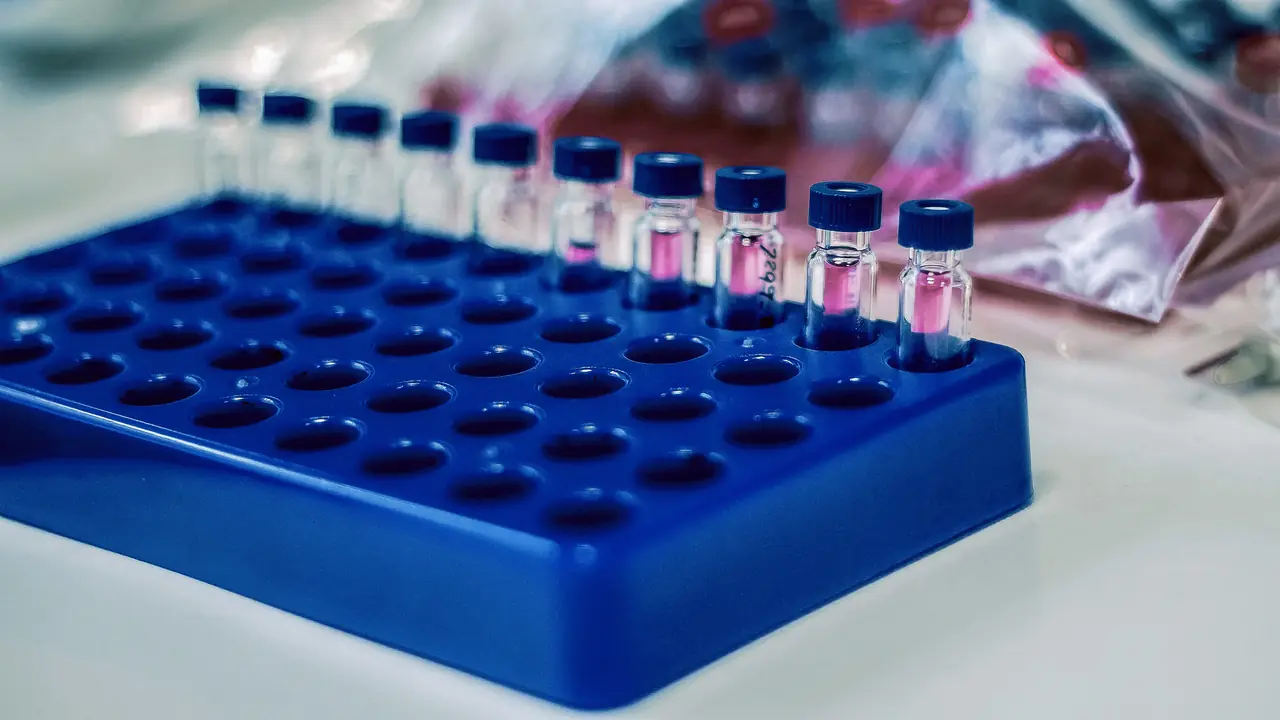
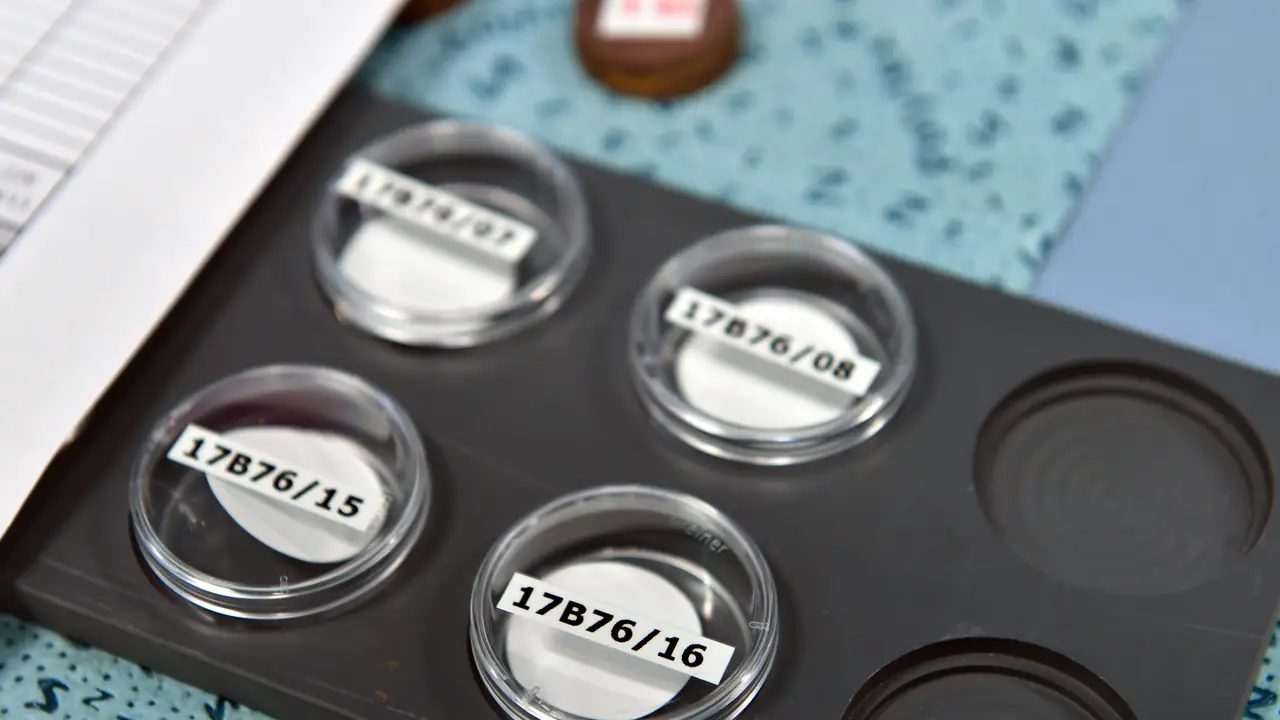
Two vials with the same product name can come from different synthesis runs, filled on different days and tested with different results. The lot (batch) code is what ties a physical vial to the analytical data about it. Treat it as the vial’s real name.
What a lot code encodes
Formats vary between suppliers, but most lot codes combine some of the following:
- A compound or product abbreviation
- The fill or synthesis date (year and month are common)
- A sequence number for that period
The exact format matters less than consistency: the same code must appear on the vial label, the packing record and the certificate.
Matching a vial to its COA
- Read the lot code from the vial label, not the box.
- Find the certificate with exactly that code. Partial matches do not count.
- Check that the compound and size on the certificate match the vial.
- File the certificate (or its link) with the experiment record.
On our product pages, each size carries its own lot information. When a certificate exists for that exact lot it is linked from the purity badge; when it does not, the page says “Batch COA pending for this size”. Every published report is also listed in the certificate library.
Why it matters for reproducibility
Lot-to-lot differences in purity, counter-ion content or water can shift effective concentrations by several percent. In a concentration-response experiment that is enough to move an EC₅₀. If a result cannot be repeated months later, the lot record is the first thing a reviewer will ask about.
A minimal record-keeping template
| Field | Example |
|---|---|
| Compound and size | Example peptide, 10 mg |
| Lot code | AB-1234-2610-01 |
| Received on | 2026-10-21 |
| COA reference | Link or file name |
| Stored at | −20 °C, freezer B, box 3 |
| Reconstituted on / solvent / concentration | 2026-10-22 / sterile water / 2 mg/mL |
| Aliquots and their locations | 10 × 100 µL, freezer B, box 3 |
Planning long studies around lots
- Buy enough of a single lot to complete a series where you can. Large-format vials help (several of our research stacks include them for this reason).
- If you must change lot mid-study, run the old and new lots side by side in one plate as a bridging control.
- Keep one sealed vial of each lot as a retention sample until the work is published.
For what to look for on the certificate itself, read how to read a peptide COA.
For in-vitro laboratory research only. Not for human or veterinary use. This article summarises laboratory practice and published research. Nothing here is advice about use in people or animals.