How to Read a Peptide COA (Certificate of Analysis): Section by Section
A practical walk-through of a research peptide COA: identity by mass spectrometry, HPLC purity, net content, water, endotoxin and the red flags worth checking.
A Certificate of Analysis (COA) is the only document that tells you what is actually in a specific vial. A product page describes a compound in general; a COA describes one lot of it, measured on a stated date by a named laboratory. Reading one well takes about two minutes once you know where to look.
Key point: a COA is only meaningful when its lot number matches the lot printed on your vial. A certificate for a different lot, size or supplier tells you nothing about the material on your bench.
The header: what was tested, when and by whom
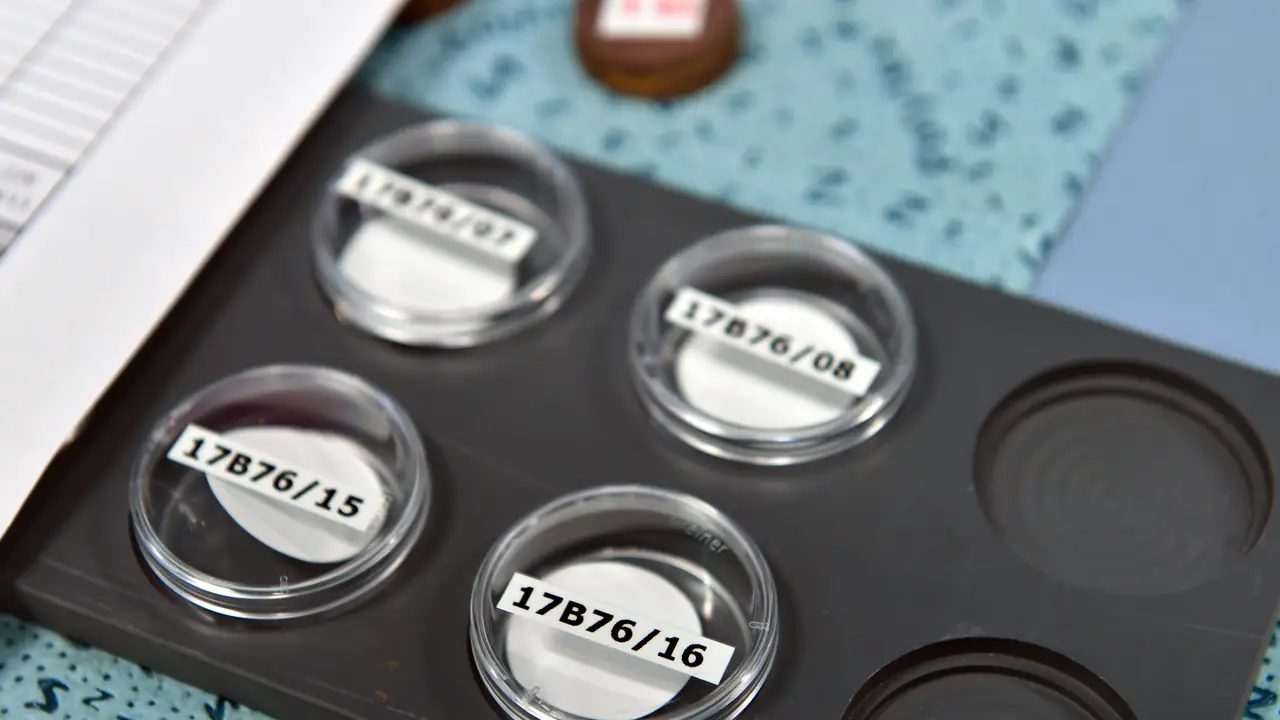
The top block should identify the compound, the lot or batch number, the date of analysis and the laboratory that performed it. Check three things before reading any results:
- The lot code matches your vial label exactly, character for character.
- The laboratory is named, with a way to contact or verify it.
- The analysis date is plausible: after synthesis, and not years old for a compound that is still being sold.
Identity: mass spectrometry
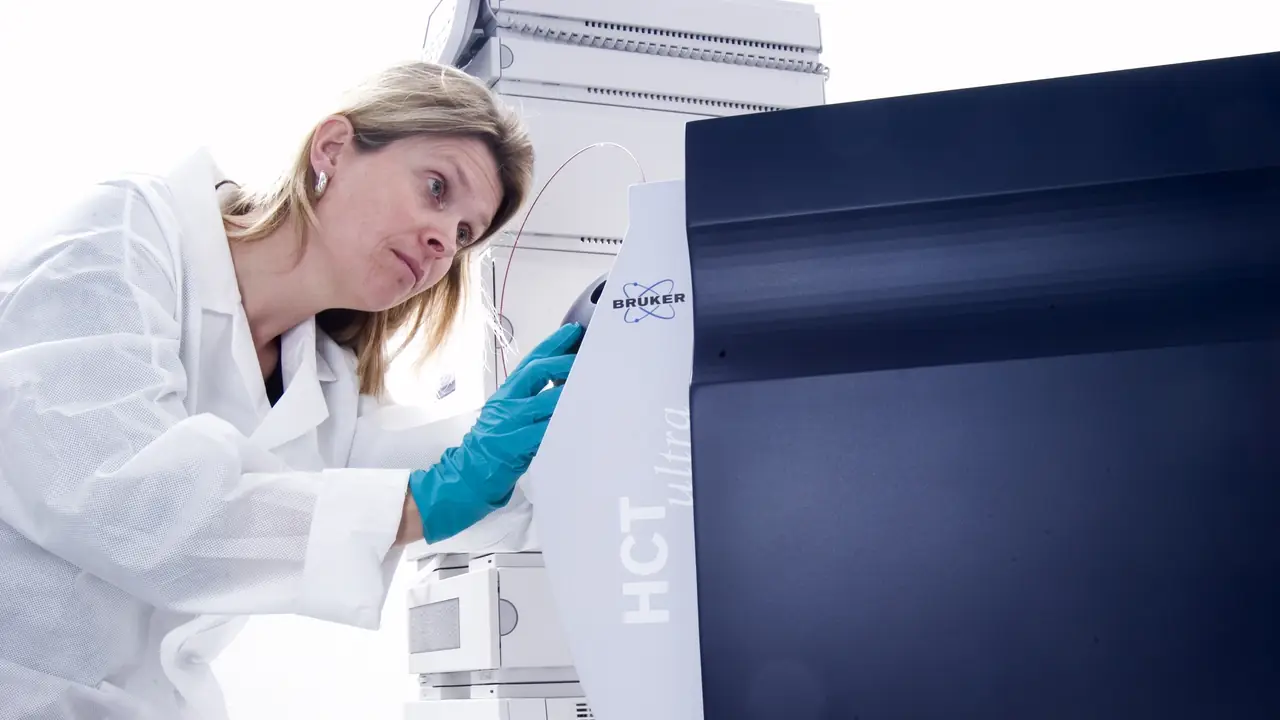
Identity answers the question “is this the right molecule?”. Most peptide COAs use electrospray ionisation (ESI-MS) or MALDI-TOF. The report should list a theoretical molecular weight (calculated from the sequence) and an observed value. Agreement within roughly ±1 Da for small peptides, or within the stated instrument tolerance for larger ones, confirms the sequence mass.
ESI spectra show several peaks for one peptide because the molecule picks up different numbers of protons ([M+2H]²⁺, [M+3H]³⁺ and so on). That is normal; software deconvolutes them back to a single mass. Our article on mass spectrometry for peptide identity covers how to read the spectrum itself.
Purity: HPLC
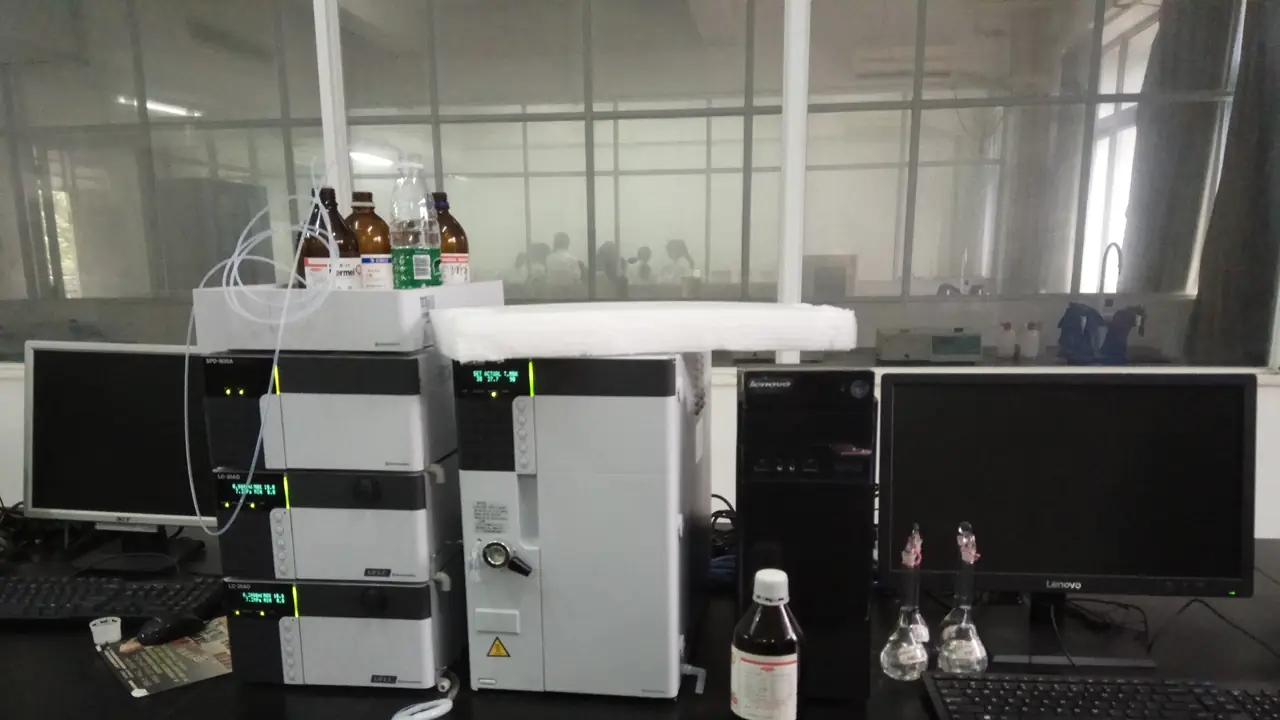
Purity answers a different question: “how much of what absorbs UV light is the target peptide?”. Reversed-phase HPLC separates the sample on a C18 column and a UV detector at about 214–220 nm records each component as a peak. Purity is the main peak’s area as a percentage of total peak area.
A good report includes the chromatogram image, not just the number, plus the column, gradient and detection wavelength. See HPLC purity explained for what the percentage does and does not measure.
Content, water and counter-ions
A lyophilised vial is not 100% peptide. It also holds counter-ions (usually trifluoroacetate or acetate) and residual water. Some COAs report:
| Field | Typical method | What it tells you |
|---|---|---|
| Net peptide content | Amino acid analysis or nitrogen (CHN) analysis | Mass fraction that is peptide, often 60–90% |
| Water content | Karl Fischer titration | Residual moisture after freeze-drying |
| Counter-ion | Ion chromatography or ¹⁹F NMR for TFA | Salt form and its amount |
If you need accurate molar concentrations, net content matters more than purity. Our guide to net peptide content vs purity explains the arithmetic.
Optional tests
Endotoxin (LAL or recombinant Factor C), appearance, solubility and residual solvents appear on some certificates. Endotoxin is the one to look for if your work involves immune cells or primary cultures; see endotoxin testing for cell culture.
Red flags
- No lot number, or a lot number that is not on the vial.
- A purity figure with no chromatogram.
- Identical purity values (for example 99.9%) across many unrelated compounds.
- Theoretical and observed masses that are identical to several decimal places on an instrument that does not report that precision.
- Dates, fonts or alignment that look edited.
How our certificate library works
Every report in the certificate library is published in full, with the lab and lot stated. On each product page, a size only shows a purity badge when a certificate for that supplier’s lot exists. Otherwise it reads “Batch COA pending”. We never borrow a result from another lot, size or vendor.
For in-vitro laboratory research only. Not for human or veterinary use. This article summarises laboratory practice and published research. Nothing here is advice about use in people or animals.