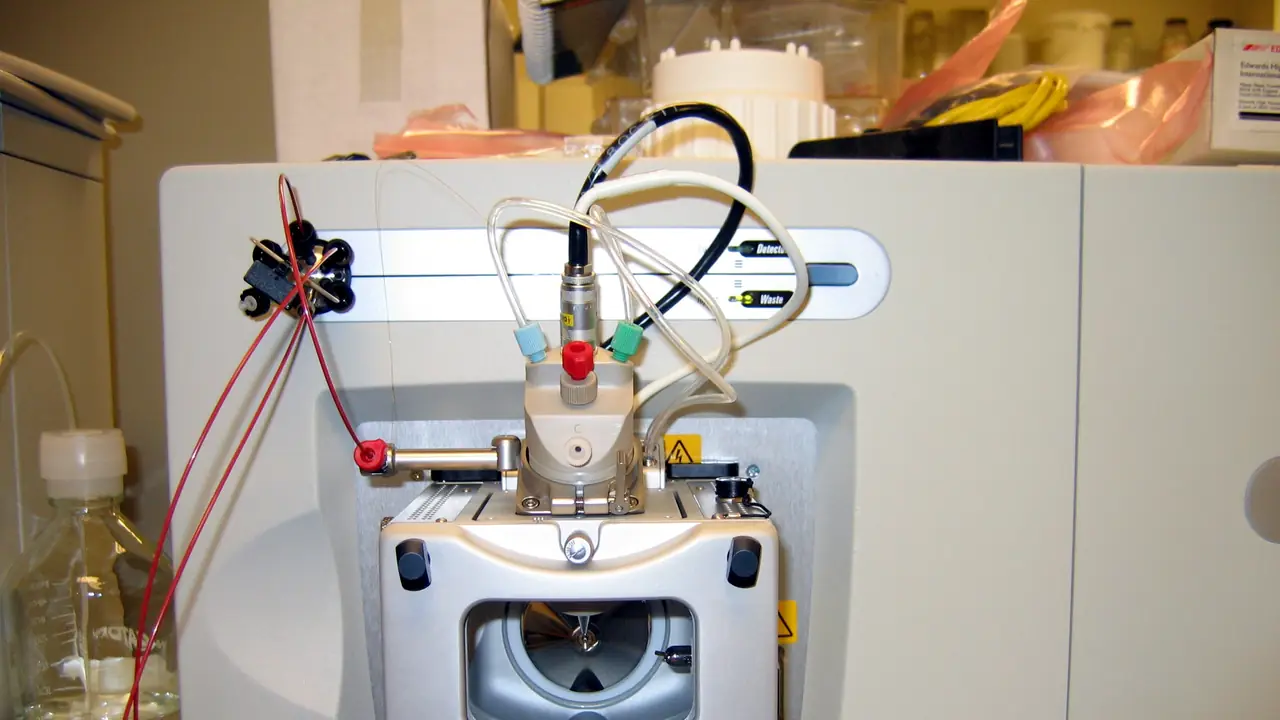
Lab methods
HPLC and Mass Spectrometry: How Research Peptides Are Tested
How research peptides are tested: RP-HPLC purity, LC-MS and MALDI identity, and the extra tests (net content, water, counter-ions, endotoxin) behind a full COA.
Research blog
27 articles on analytical testing, COAs, handling and Australian shipping, plus summaries of the published literature behind each compound and stack.
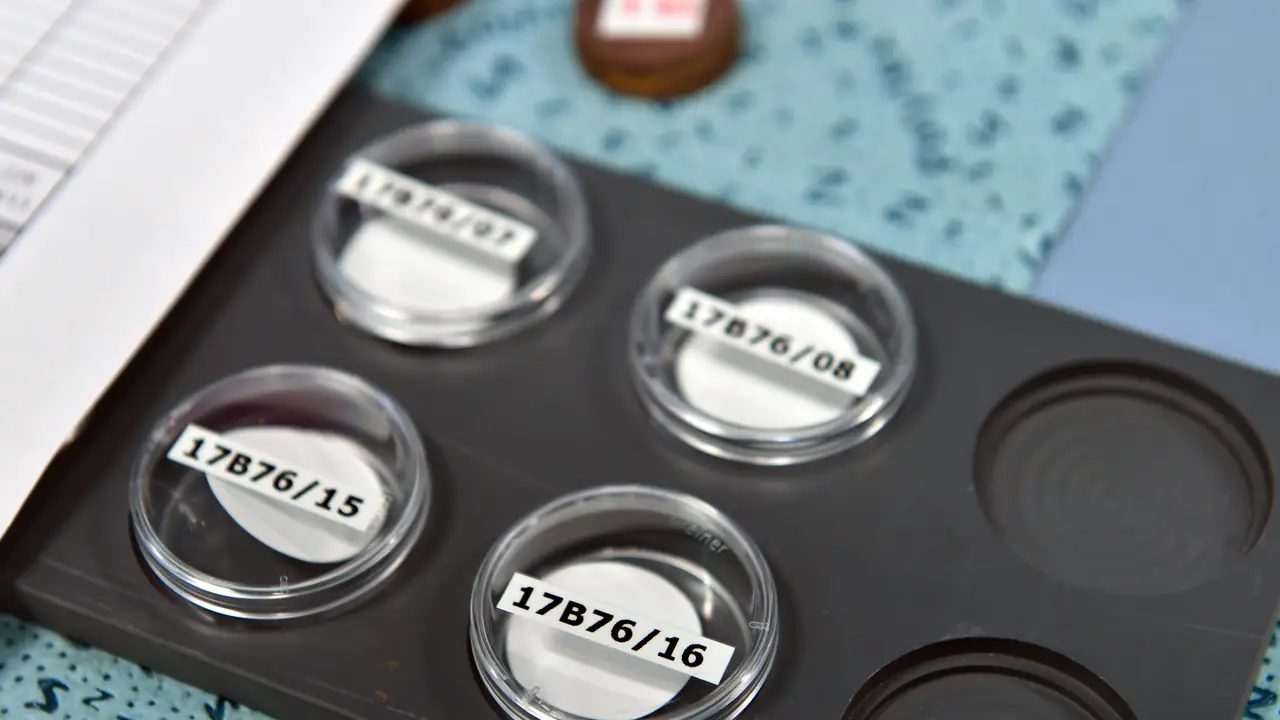
Eight checks Australian labs can run on any research peptide COA: lot match, lab identity, NATA and ISO 17025, lab verification portals, dates, methods and red flags.
How research peptides are tested: RP-HPLC purity, LC-MS and MALDI identity, and the extra tests (net content, water, counter-ions, endotoxin) behind a full COA.
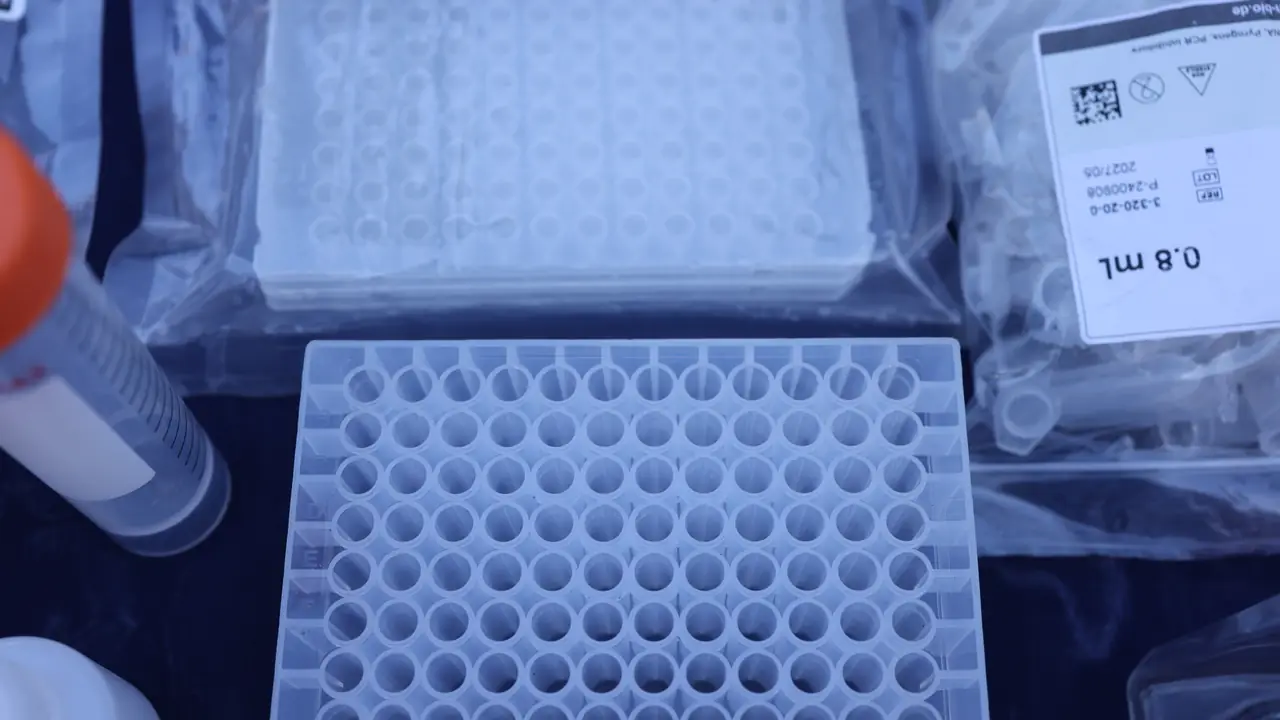
What a research stack is, the scientific reasons compounds are paired, the stacks Australian labs order most, and why single-compound controls make combination data interpretable.
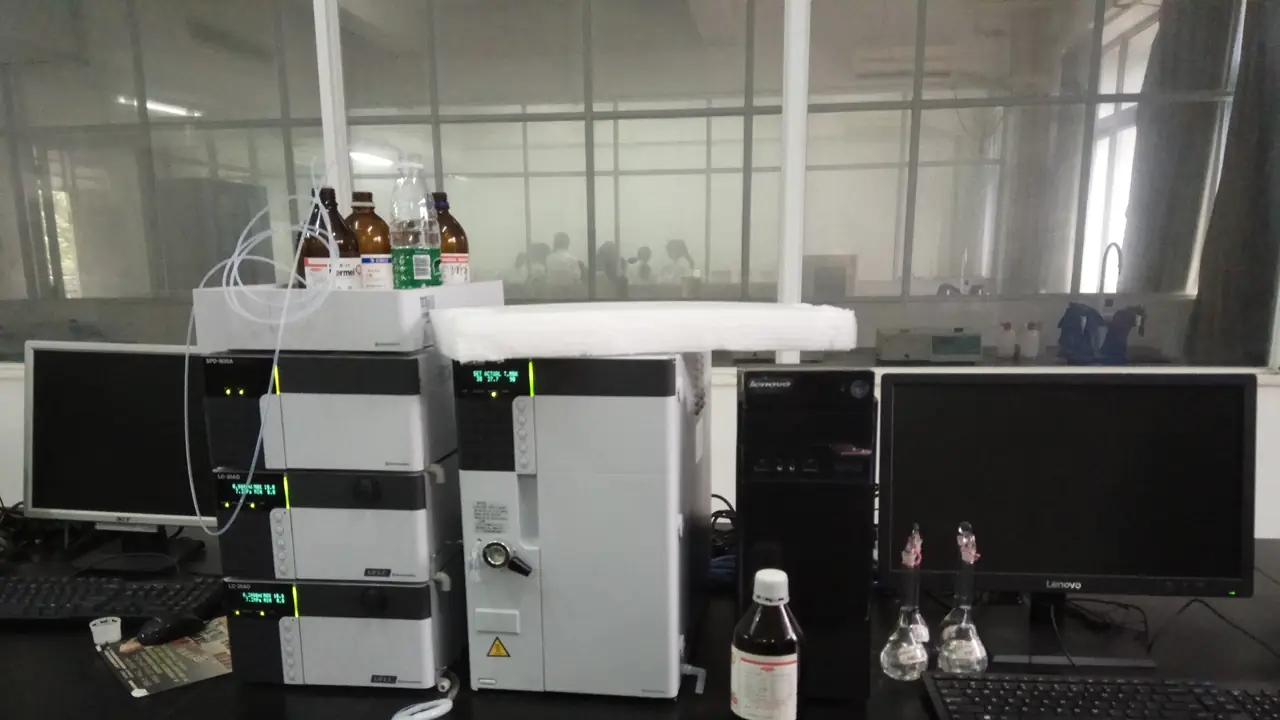
A practical walk-through of a research peptide COA: identity by mass spectrometry, HPLC purity, net content, water, endotoxin and the red flags worth checking.
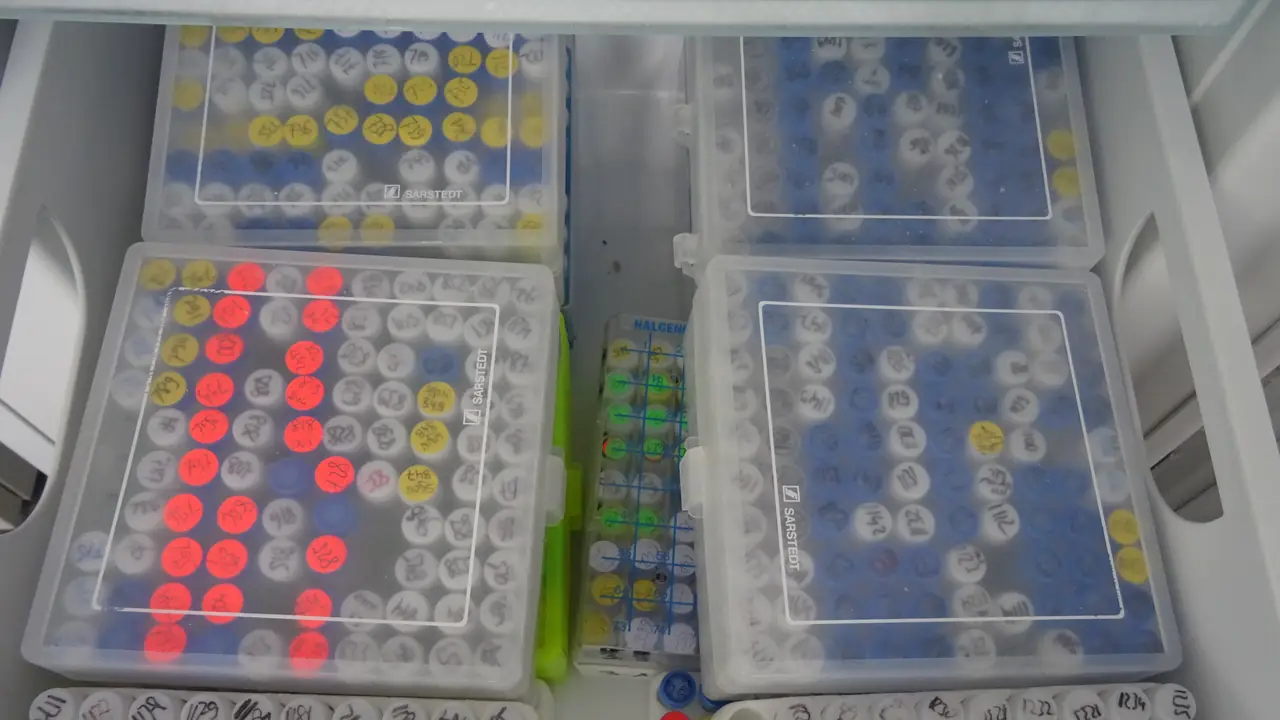
How to store freeze-dried research peptides so they stay as described on the certificate: freezer temperatures, desiccation, light, condensation and labelling.
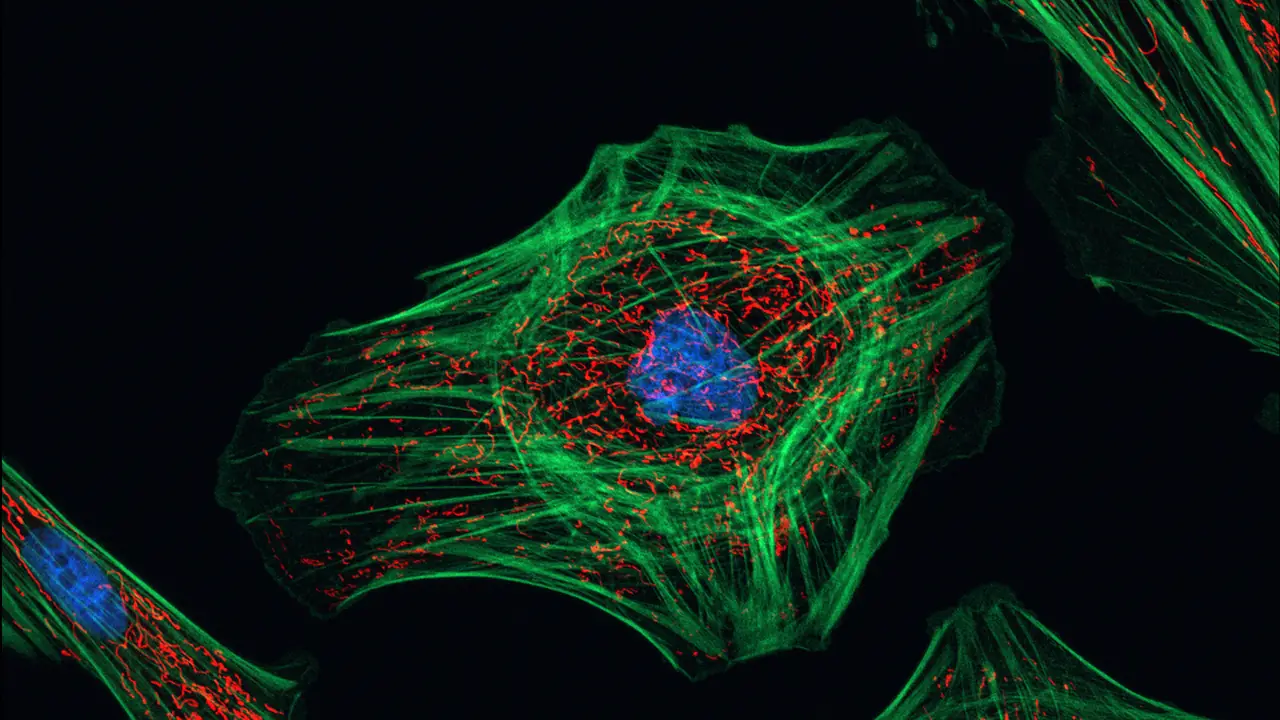
A research summary of BPC-157: what the pentadecapeptide is, the cell and animal models it has been studied in, the signalling pathways proposed, and the gaps that remain.
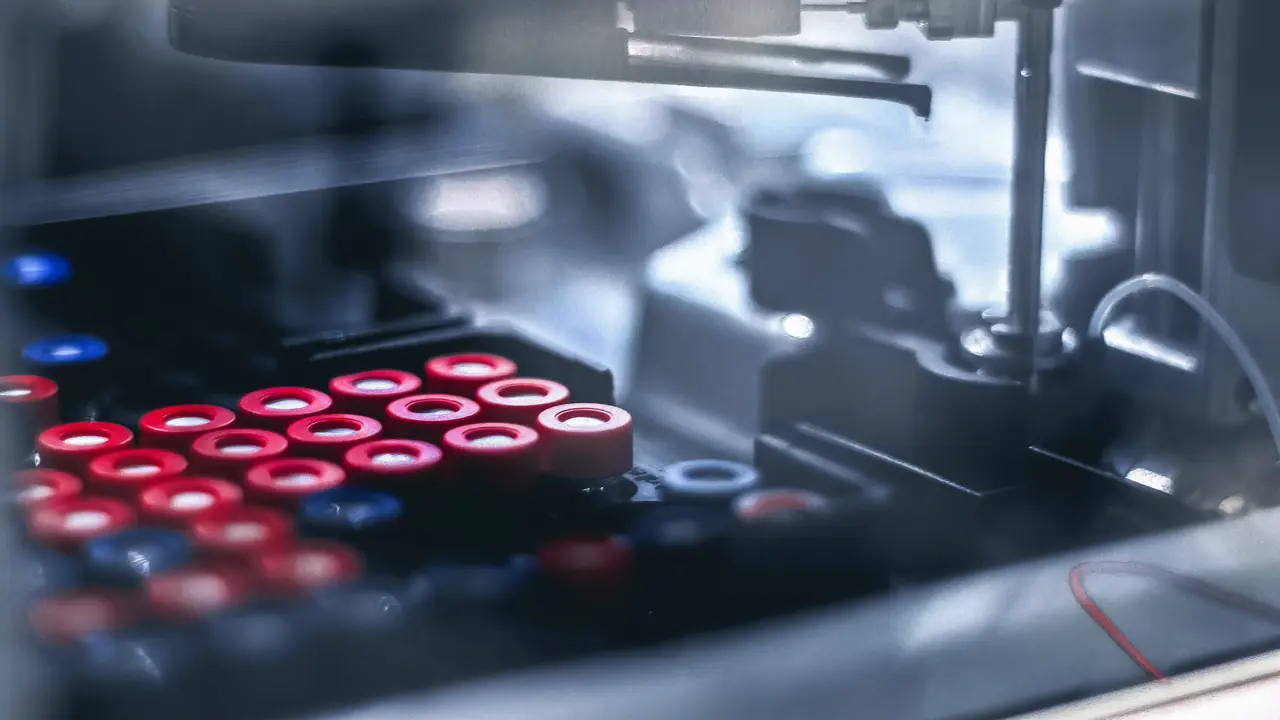
Reversed-phase HPLC is the standard purity test for research peptides. Here is how the number is produced, what the chromatogram shows and where the method's limits are.

A laboratory guide to dissolving lyophilised peptides: matching the solvent to the sequence, calculating concentration, avoiding loss to plastic, and what each diluent means for your assay.
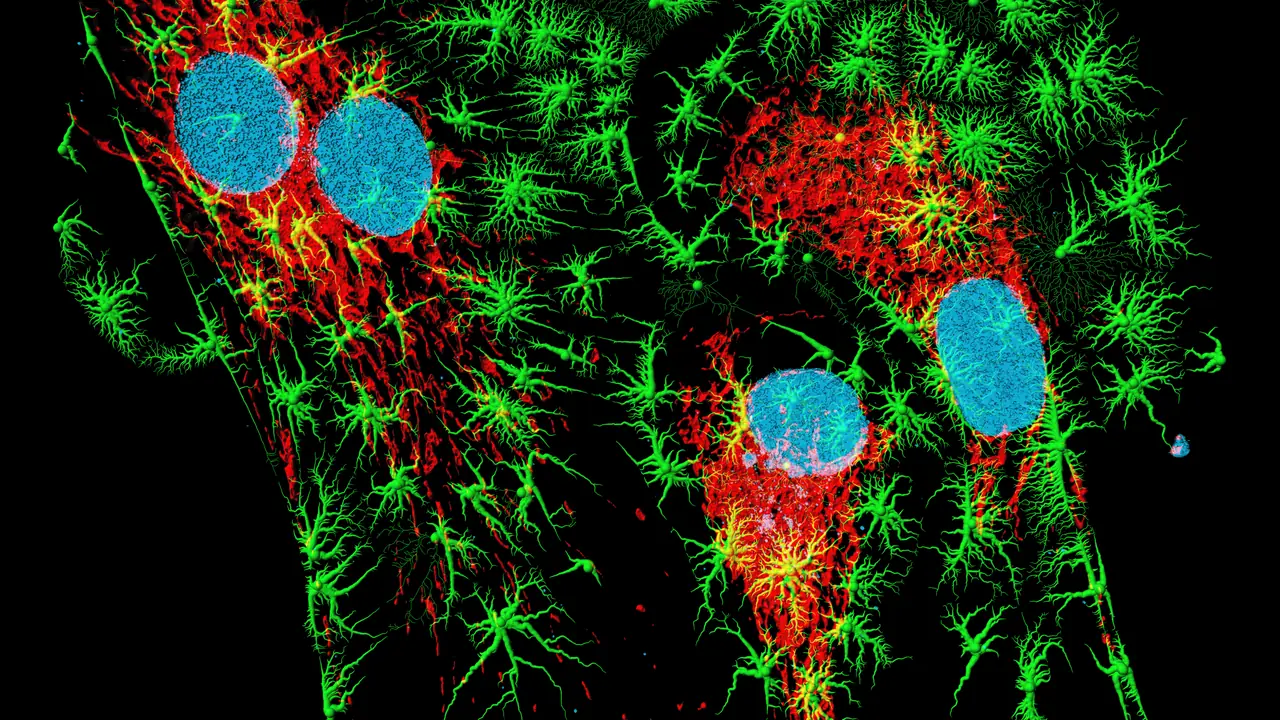
What thymosin β4 does in the cytoskeleton, how the material sold as TB-500 relates to it, and how cell-migration and actin-dynamics assays use it in the laboratory.
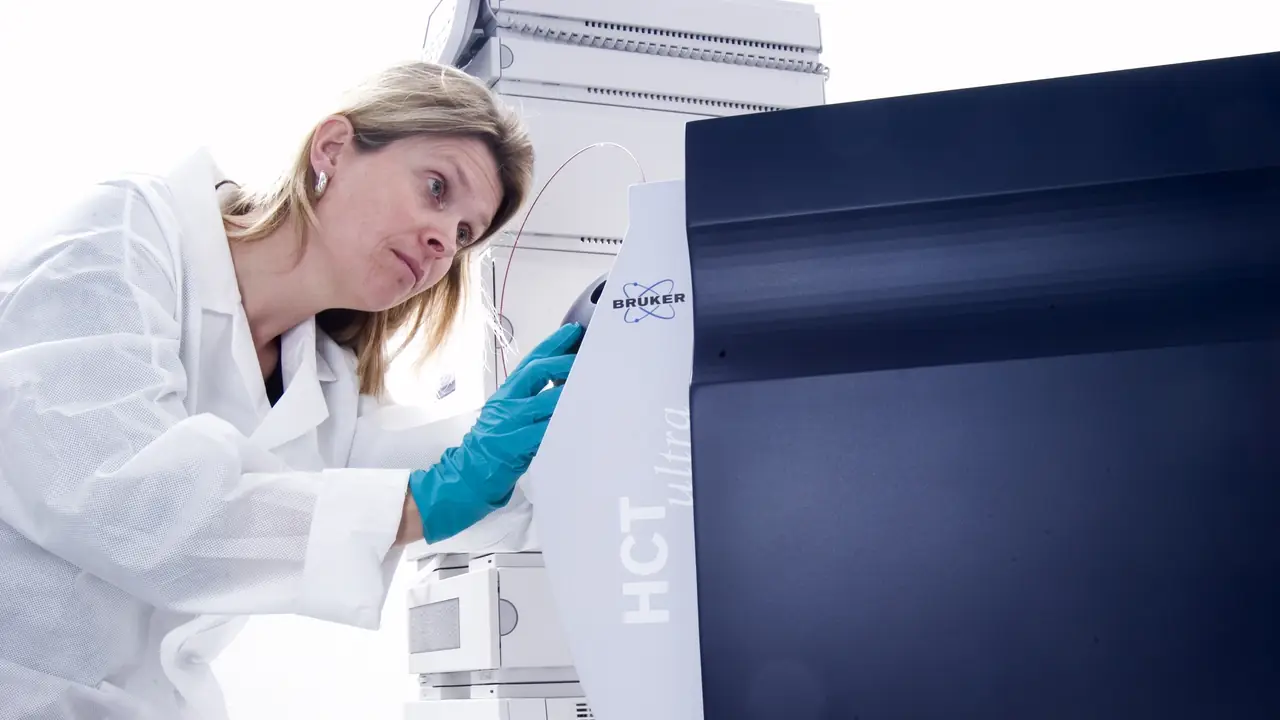
HPLC says how pure a sample is; mass spectrometry says what it is. A guide to ESI and MALDI spectra, charge states, deconvolution and mass tolerance on a peptide COA.

What to expect when research peptides ship within Australia: dispatch cut-offs, Australia Post tracked transit times by region, delivery choices and what to check when the parcel arrives.
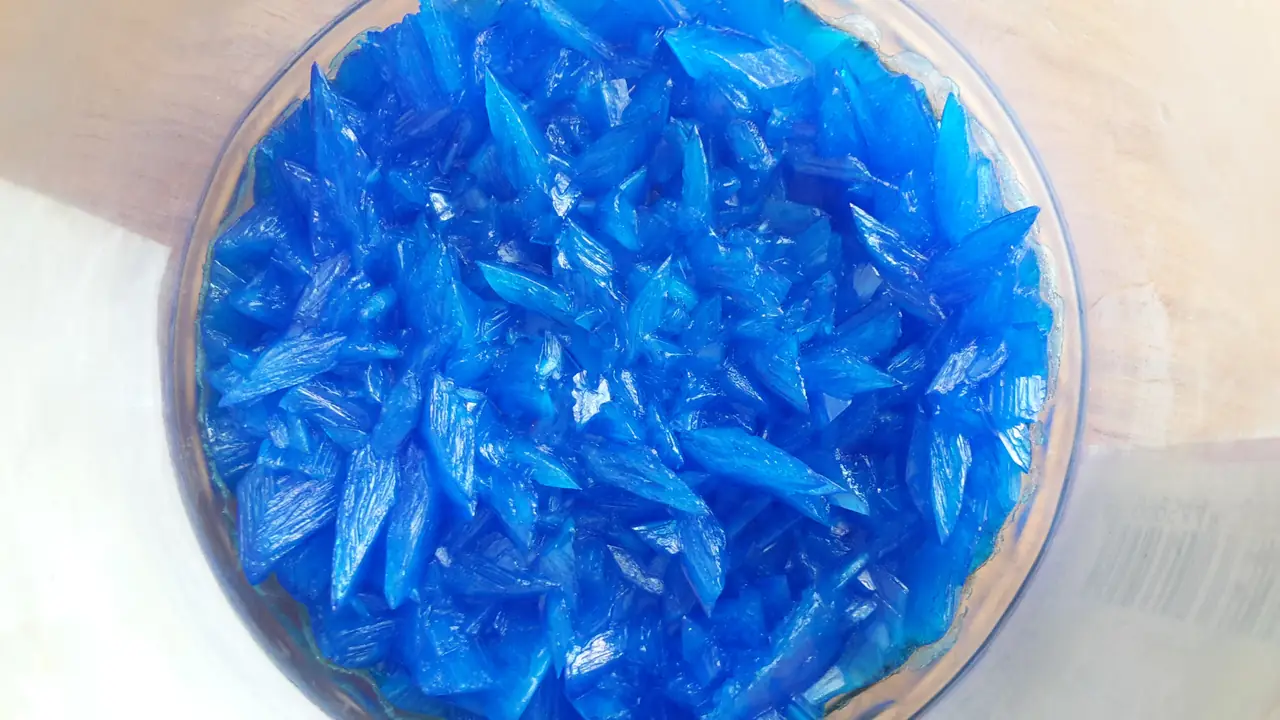
The copper complex of glycyl-histidyl-lysine: its chemistry, why copper binding matters, how it is studied in fibroblast and gene-expression models, and handling notes for the blue powder.
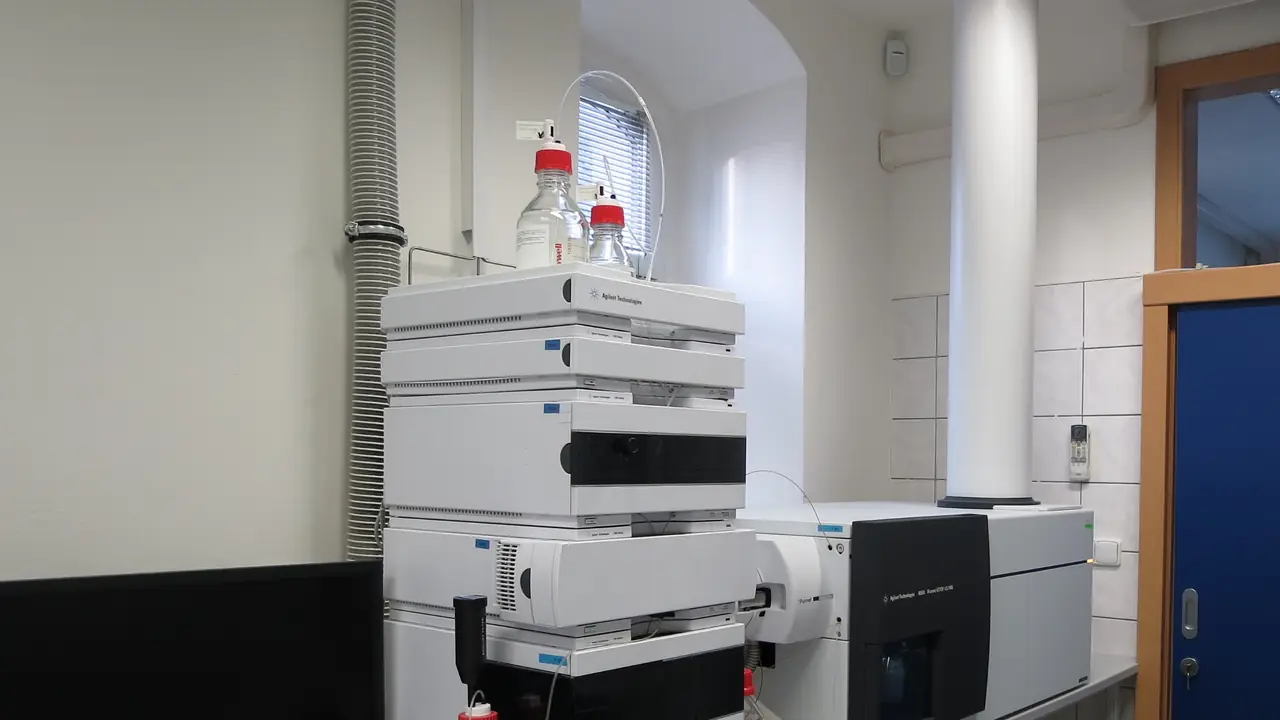
Supplier lab reports and independent third-party reports answer different questions. How each works, what independence adds, and how Australian labs can tell them apart on a COA.
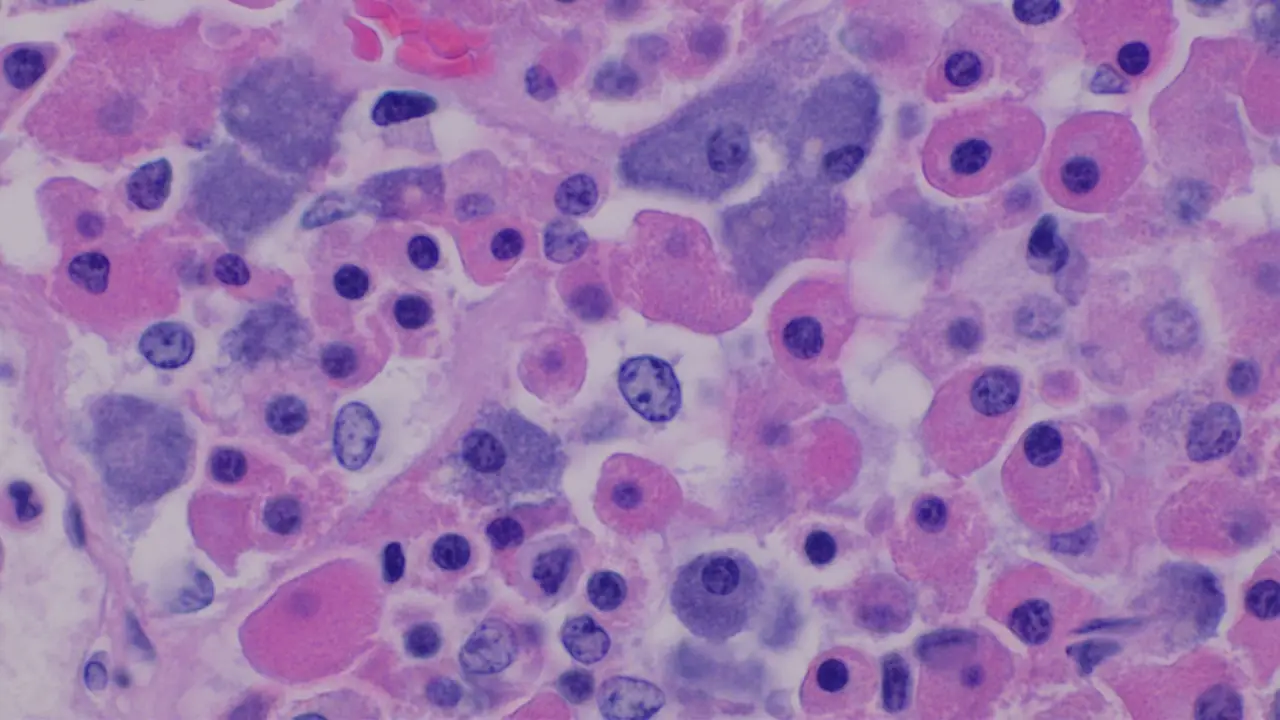
How GHRH analogues and ghrelin-receptor agonists act at different points of the somatotropic axis, what DAC changes, and how pituitary-cell models use the pair.
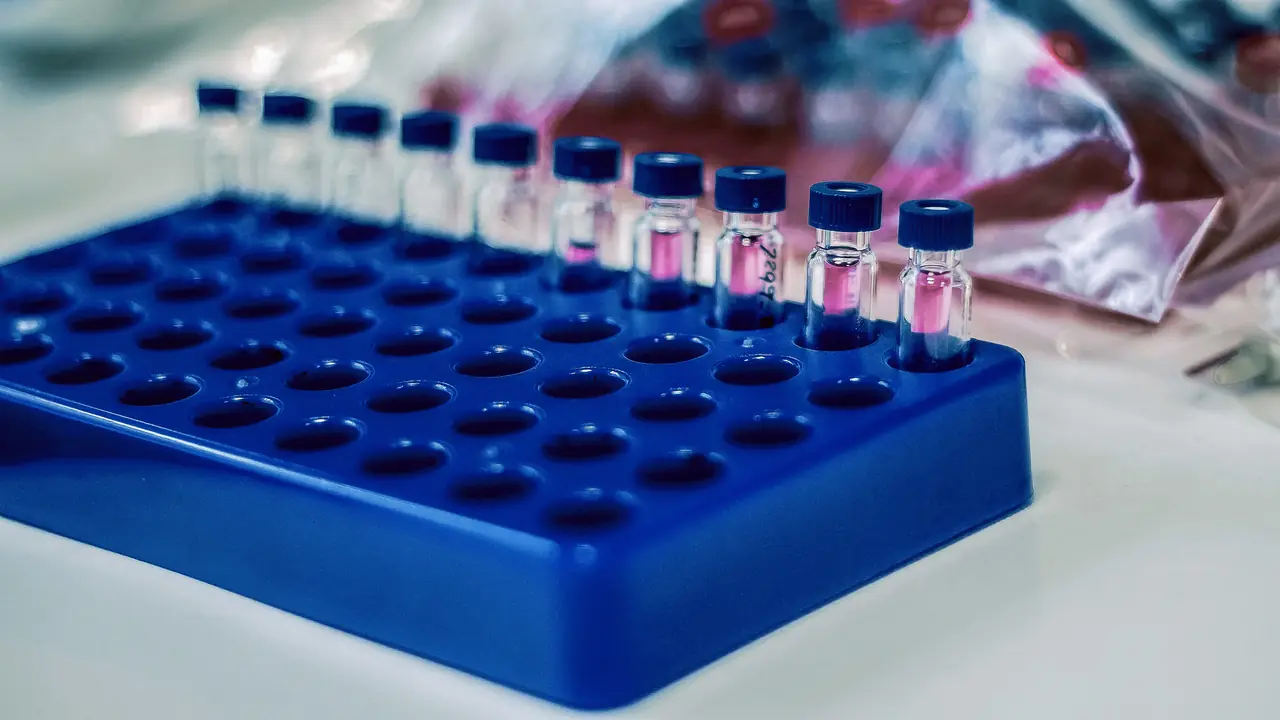
Why the lot code on a research vial matters more than the product name, how to match it to a COA, and simple record-keeping that keeps multi-month studies reproducible.
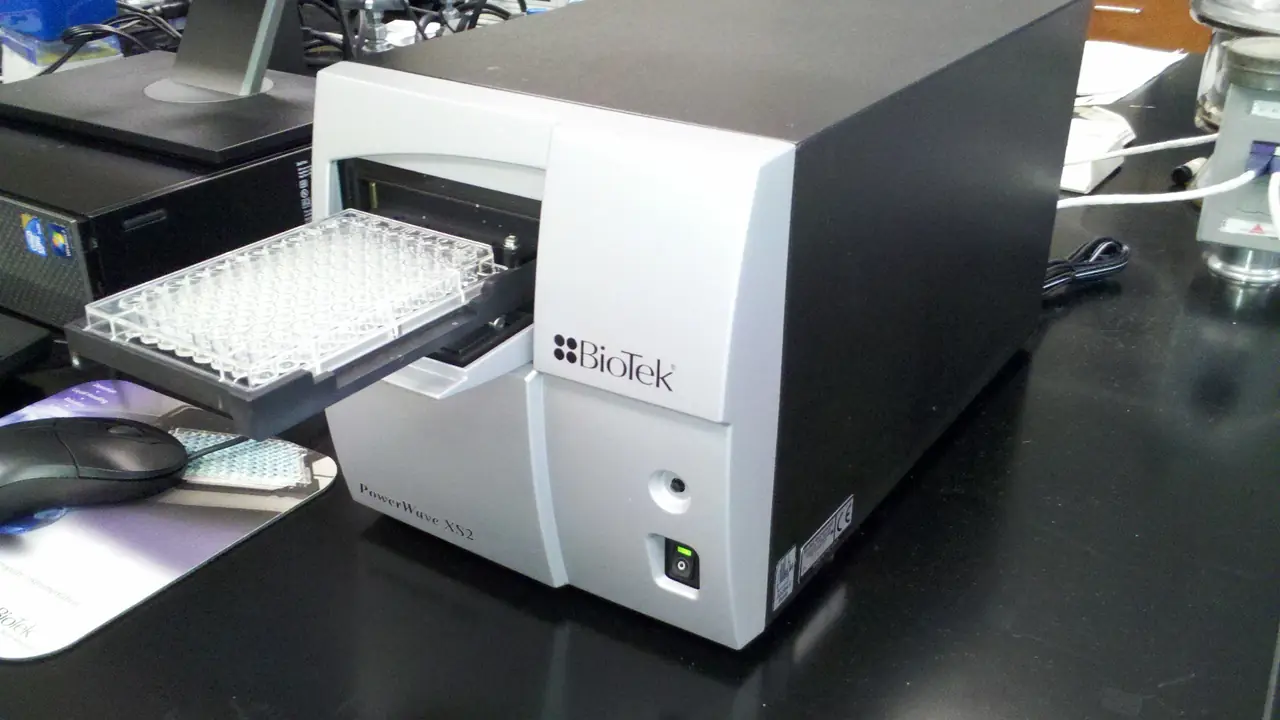
How a single peptide can activate GIP, GLP-1 and glucagon receptors, how receptor selectivity is measured in cAMP assays, and what to control for in multi-receptor experiments.
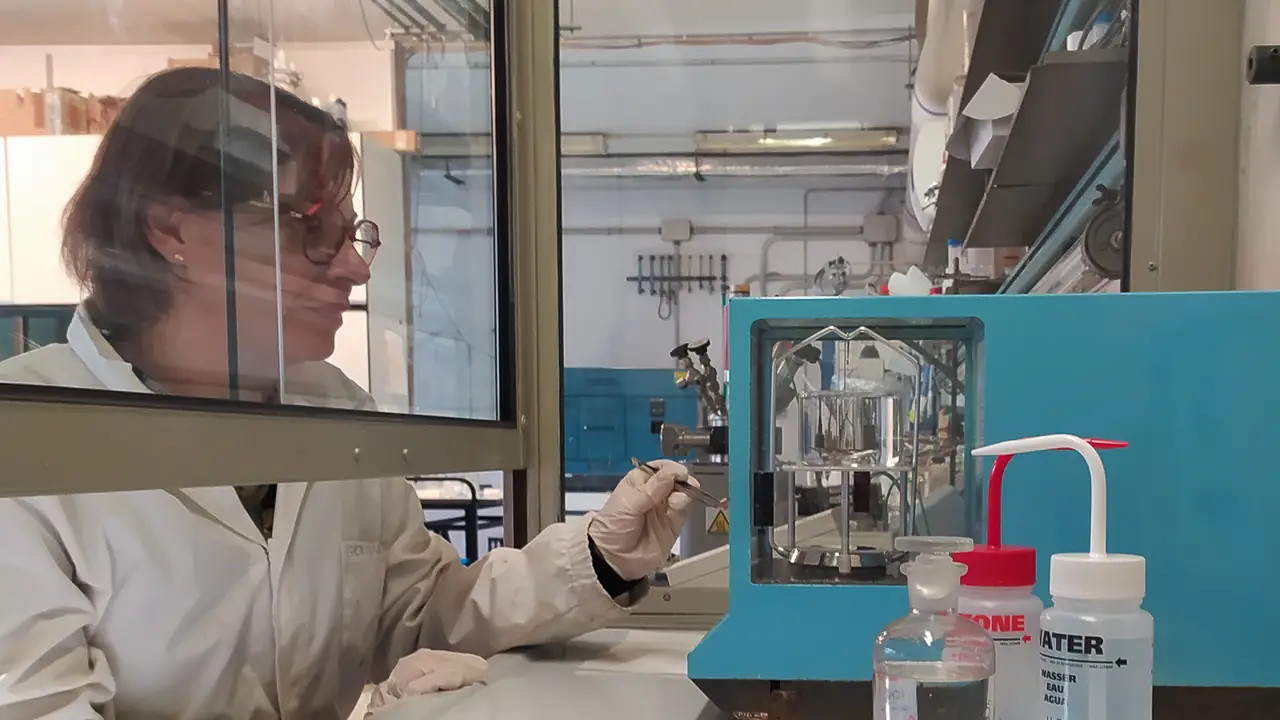
A 10 mg vial rarely contains 10 mg of peptide. How counter-ions and water dilute lyophilised material, how net content is measured, and how to correct your calculations.
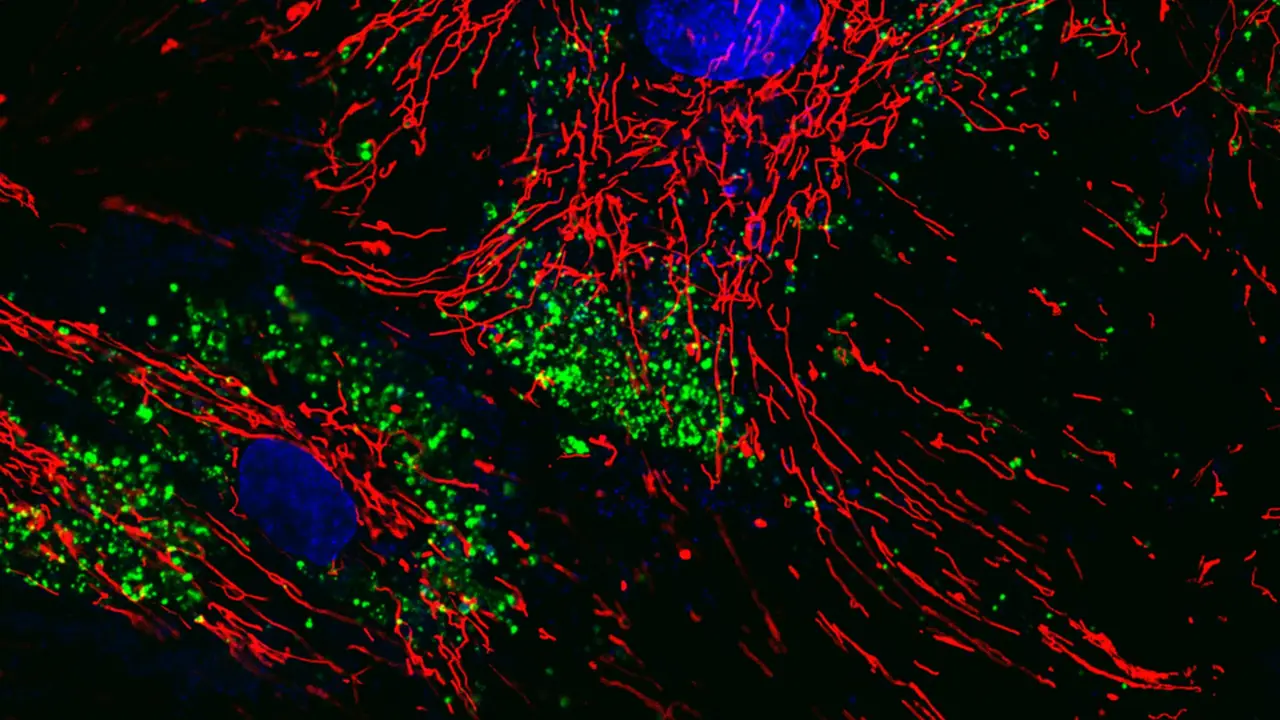
A mitochondrial-derived signalling peptide and a cardiolipin-targeting tetrapeptide: what each is, how they are studied in respiration and membrane-potential assays, and how to combine them with NAD+.
Most synthetic peptides arrive as trifluoroacetate salts. When residual TFA can interfere with cell-based assays, and when an acetate or hydrochloride form is worth considering.
Two short synthetic peptides built from ACTH and tuftsin fragments with a stabilising Pro-Gly-Pro tail: their design, the neuronal models they are studied in, and handling tips.
Bacterial endotoxin can trigger strong responses in immune and primary cells at picogram levels. How LAL and recombinant Factor C assays work and how to keep cultures clean.
Three peptides used in immune-signalling research: the α-MSH tripeptide KPV, the thymic peptide thymosin α1 and the EPO-derived ARA-290, plus the controls immune assays need.
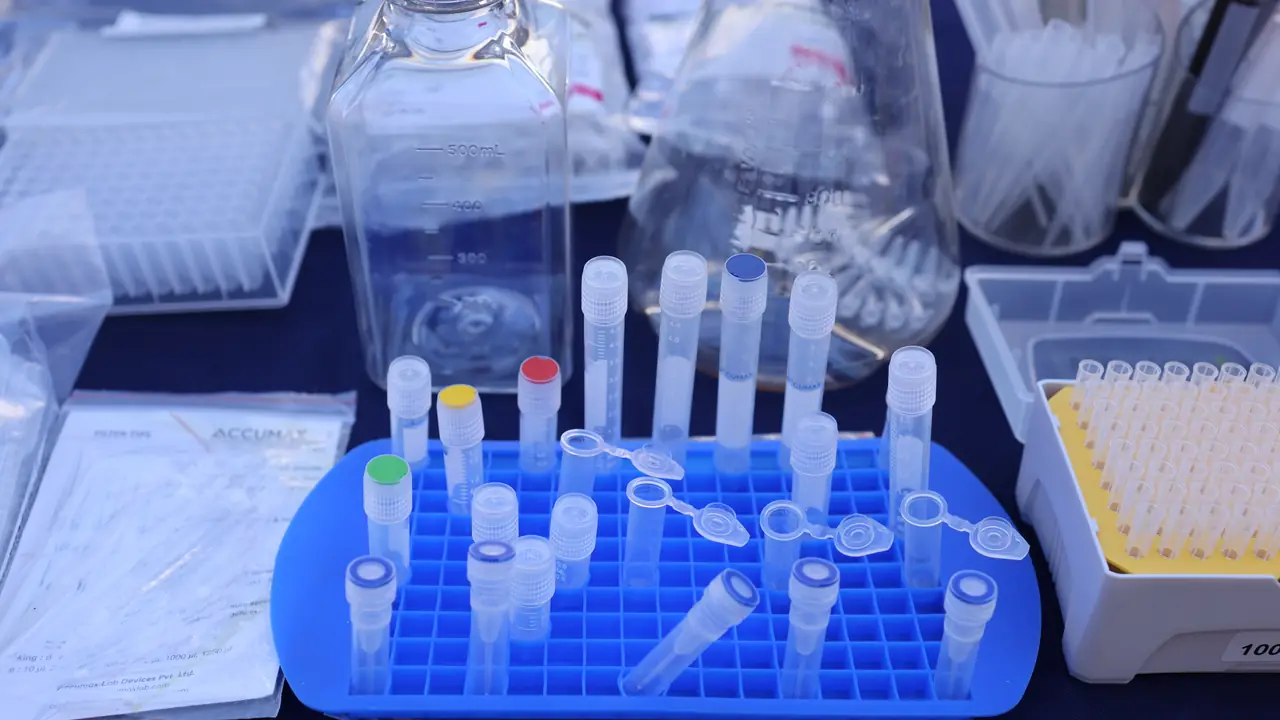
Which amino acids make a peptide fragile in solution, the chemistry behind the main degradation routes, and practical steps that keep stock solutions as described on the certificate.
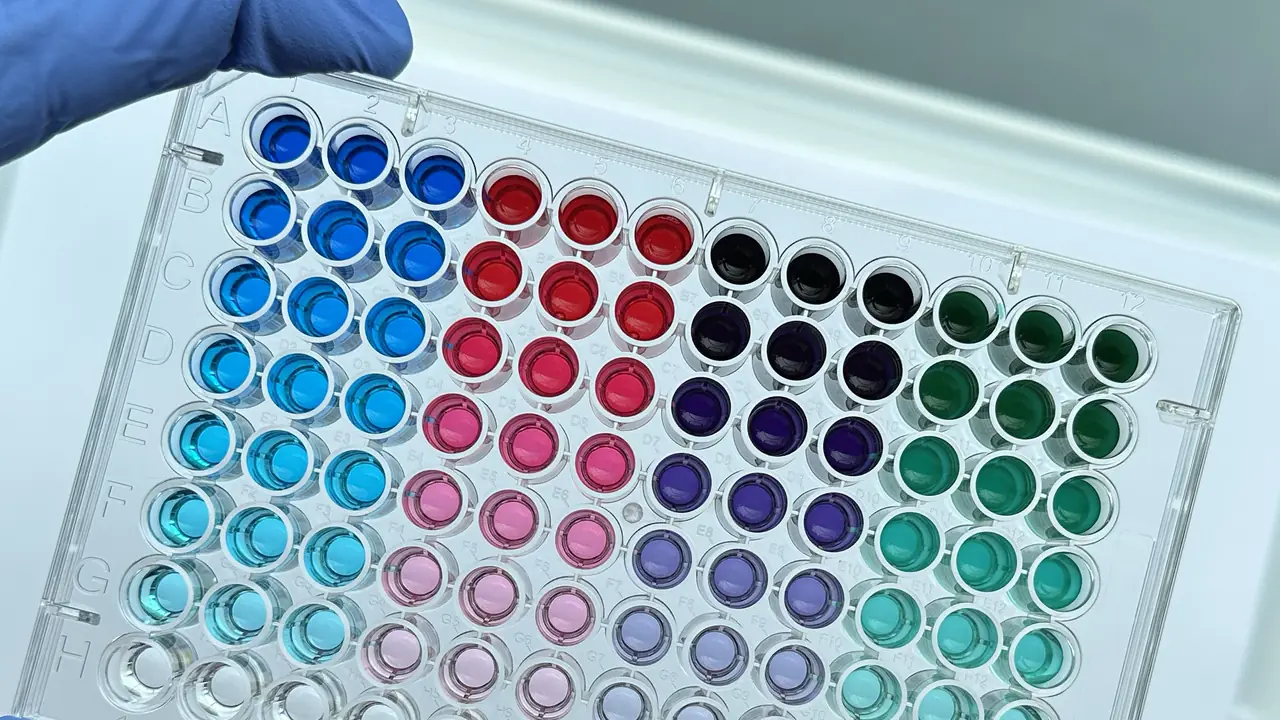
How to design in-vitro experiments that combine two or more peptides: factorial designs, concentration-response matrices, additivity models, plate layout and replication.

Australian summers put parcels through real heat. What the stability data on lyophilised peptides suggests, where the risk actually sits, and how to plan deliveries from December to March.
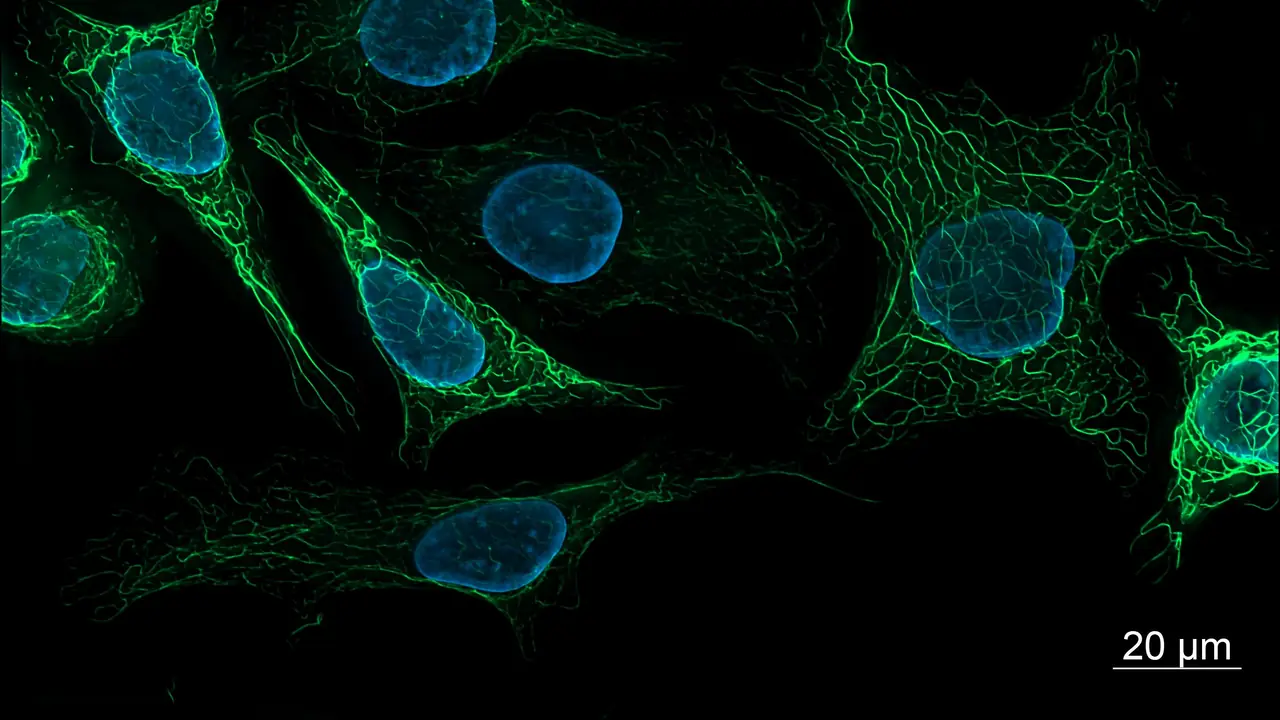
A practical comparison of immortalised lines, primary cells, stem-cell-derived cultures, co-cultures and organoids for peptide research, with the quality checks every model needs.

An overview of how research-use-only supply sits within Australian regulation: the TGA, the Poisons Standard, scheduling, labelling and the purchaser's responsibilities. General information, not legal advice.
All photographs are real colour photographs from Wikimedia Commons, used under the licence shown.


