GHK-Cu Research: Copper-Peptide Studies in Matrix Biology
The copper complex of glycyl-histidyl-lysine: its chemistry, why copper binding matters, how it is studied in fibroblast and gene-expression models, and handling notes for the blue powder.
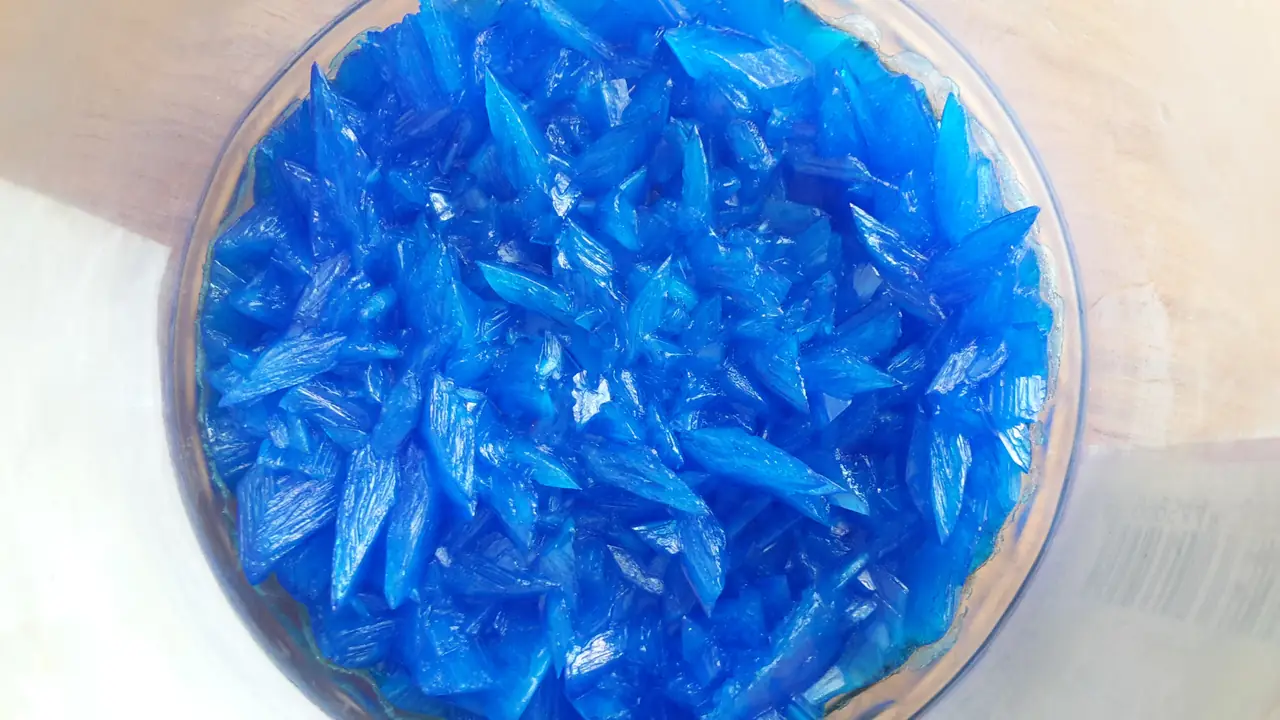
GHK-Cu is the copper(II) complex of the tripeptide glycyl-L-histidyl-L-lysine (GHK). GHK was first isolated from human plasma in the early 1970s, and its strong affinity for copper ions has made it a long-standing tool in research on copper-dependent enzymes and extracellular-matrix biology.
Chemistry
- GHK: Gly-His-Lys, molecular weight about 340 Da
- GHK-Cu: the 1:1 copper(II) complex, molecular weight about 404 Da
- Copper is coordinated by the glycine amino group, the histidine imidazole and a deprotonated amide nitrogen, giving a stable complex at physiological pH.
- Solutions are blue, from the copper(II) centre.
Because the complex holds copper tightly but can exchange it with other binding sites, GHK has been studied as a carrier that delivers copper to cells in a controlled way.
Why copper matters in matrix biology
Copper is a cofactor for lysyl oxidase, the enzyme that cross-links collagen and elastin, and for superoxide dismutase (SOD1), an antioxidant enzyme. Many GHK-Cu studies therefore look at matrix assembly and oxidative stress.
How it is studied
| Model | Typical readouts |
|---|---|
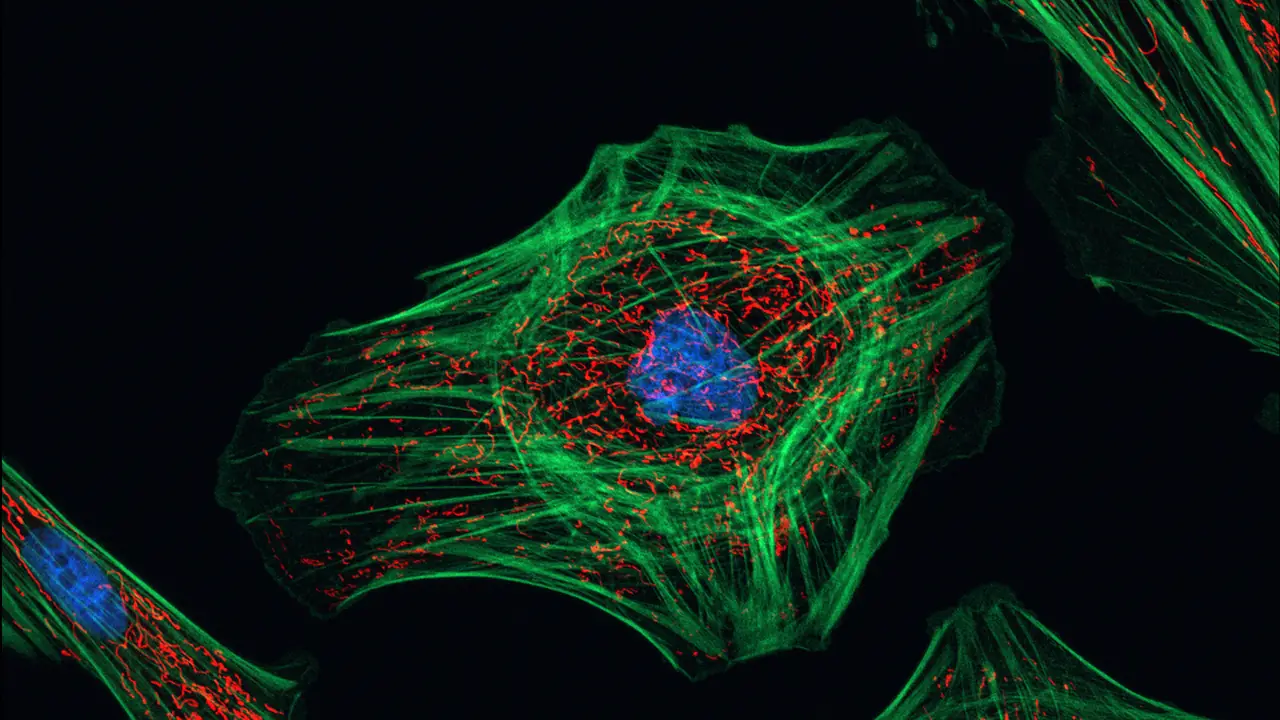
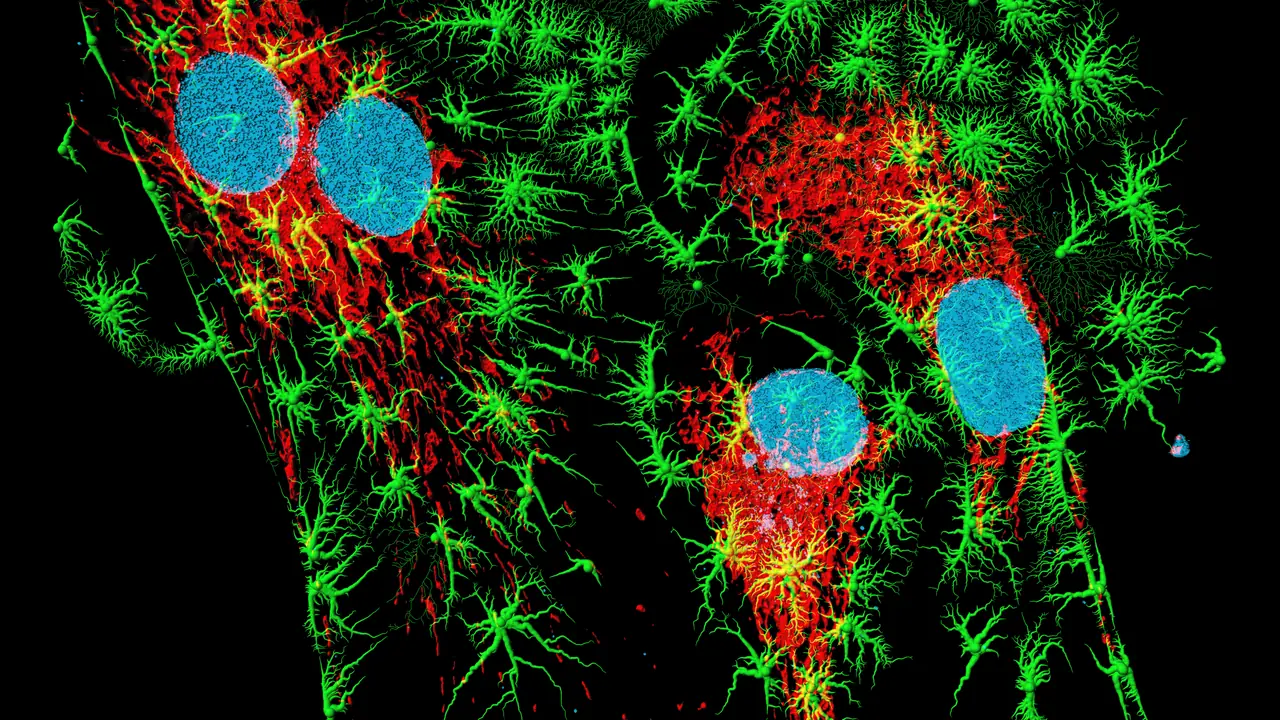
| Dermal fibroblast cultures | Collagen and elastin synthesis, proliferation |
| Gene-expression profiling | Broad transcriptional changes in cultured cells |
| Matrix-remodelling assays | Metalloproteinase and inhibitor balance |
| Antioxidant assays | SOD activity, oxidative-stress markers |
Gene-expression studies using connectivity-map approaches have reported that GHK influences the expression of a large number of genes, which has made it a reference compound in matrix-biology screening.
Handling notes
- Colour is informative. A clear blue solution is expected. A colour shift or precipitate can indicate copper loss or contamination.
- Watch the buffer. High phosphate concentrations can precipitate copper; strong chelators (EDTA) will strip it from the peptide.
- Specify the form. Some studies use GHK without copper; others the pre-formed complex. Check which one the certificate describes.
Blends
GHK-Cu is also supplied in blends with BPC-157 and TB-500 (“GLOW”), and with KPV added (“KLOW”). Studying a blend alongside its single components is the only way to attribute an effect; see research stacks explained and designing multi-compound experiments.
For in-vitro laboratory research only. Not for human or veterinary use. This article summarises laboratory practice and published research. Nothing here is advice about use in people or animals.