BPC-157 Research: Pre-Clinical Models, Pathways and Open Questions
A research summary of BPC-157: what the pentadecapeptide is, the cell and animal models it has been studied in, the signalling pathways proposed, and the gaps that remain.
BPC-157 is one of the most widely supplied research peptides in Australia, and one of the most discussed. This article summarises what it is and how it has been studied in the laboratory, and is candid about the limits of the evidence.
What it is
BPC-157 is a synthetic pentadecapeptide (15 amino acids) whose sequence corresponds to a partial sequence of a protein originally described in gastric juice, termed “body protection compound”. It has a molecular weight of roughly 1.4 kDa. Unusually for a short peptide, it has been reported to be relatively stable in acidic conditions, which drew early interest.
Models it has been studied in
Most published work comes from a small number of research groups and uses rodent models and cell culture. In-vitro work has focused on:
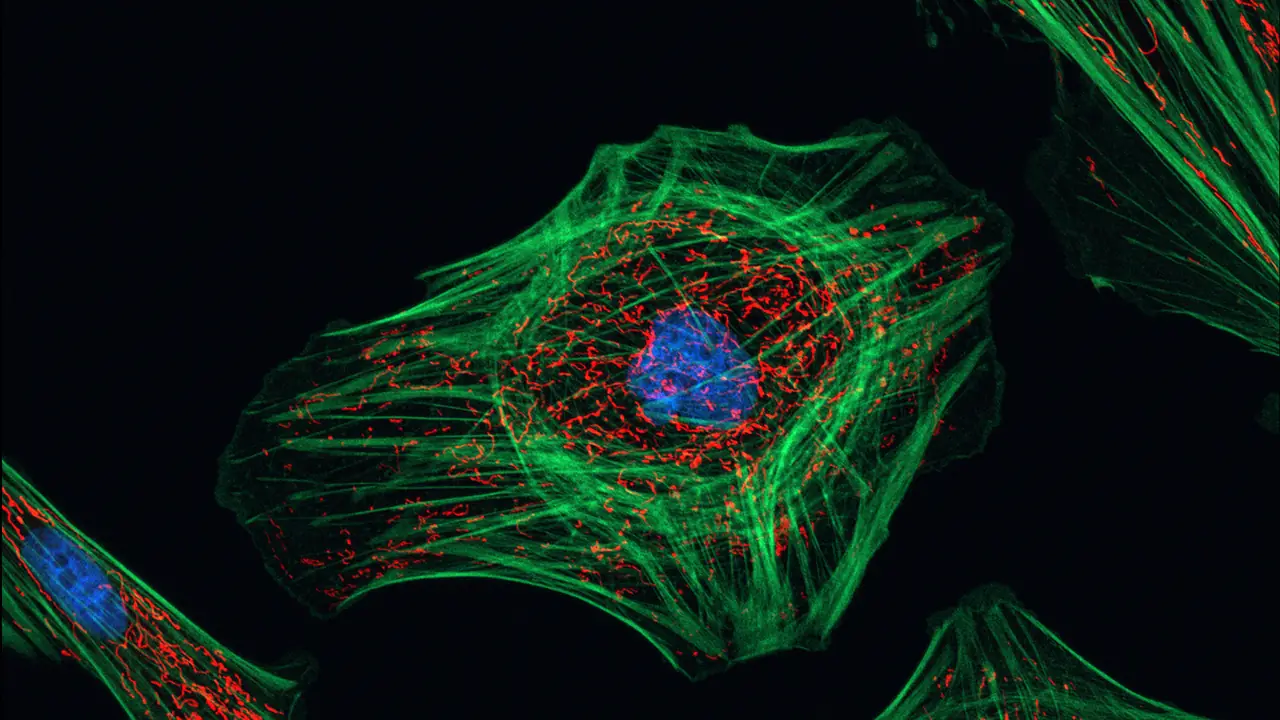
- Fibroblast and tendon-cell cultures: migration, spreading and outgrowth in explant and scratch (wound-closure) assays
- Endothelial cells: tube formation and other angiogenesis readouts
- Gene and protein expression: growth-factor receptors and early-response genes
Pathways proposed
Several mechanisms have been put forward, generally from expression and inhibitor studies rather than from a defined receptor:
| Proposed pathway | Typical readout |
|---|---|
| VEGFR2 expression and signalling | Endothelial tube formation, VEGFR2 levels |
| FAK–paxillin signalling | Fibroblast spreading and migration |
| Growth hormone receptor expression in tendon fibroblasts | Receptor mRNA and protein levels |
| Nitric oxide system interactions | NO-pathway markers in tissue models |
A specific high-affinity receptor for BPC-157 has not been established, which is one of the main open questions.
Limits of the evidence
- Much of the literature comes from a limited number of laboratories, so independent replication is valuable.
- Reported effects span many tissue types, which makes a single mechanism hard to pin down.
- Controlled human data are very limited. Nothing in the pre-clinical literature establishes safety or effect in people, and research material is supplied strictly for in-vitro laboratory work.
Designing in-vitro work with BPC-157
- Include the right controls: vehicle (matched for solvent and counter-ion), a positive control for your readout (for example a growth factor in a migration assay) and, where relevant, a pathway inhibitor.
- Run a concentration range rather than a single concentration; see designing multi-compound experiments.
- Record the lot of every vial; see lot numbers and batch traceability.
BPC-157 is often studied alongside thymosin β4 fragments; thymosin β4 and TB-500 in actin research covers that side, and research stacks explained explains why the two are paired.
For in-vitro laboratory research only. Not for human or veterinary use. This article summarises laboratory practice and published research. Nothing here is advice about use in people or animals.