Research Stacks Explained: Why Labs Study Peptides in Combination
What a research stack is, the scientific reasons compounds are paired, the stacks Australian labs order most, and why single-compound controls make combination data interpretable.

A “stack” in research supply is simply a set of compounds bought together because they are studied together. The term is informal, but the science behind good combinations is not: compounds are paired because they act on different points of the same system, and the interesting question is how their effects combine.
Why study compounds together
- Complementary mechanisms. Two compounds acting through different receptors in one pathway can produce additive or greater-than-additive effects. The GHRH analogue plus ghrelin-receptor agonist pairing is the classic example (CJC-1295 and ipamorelin).
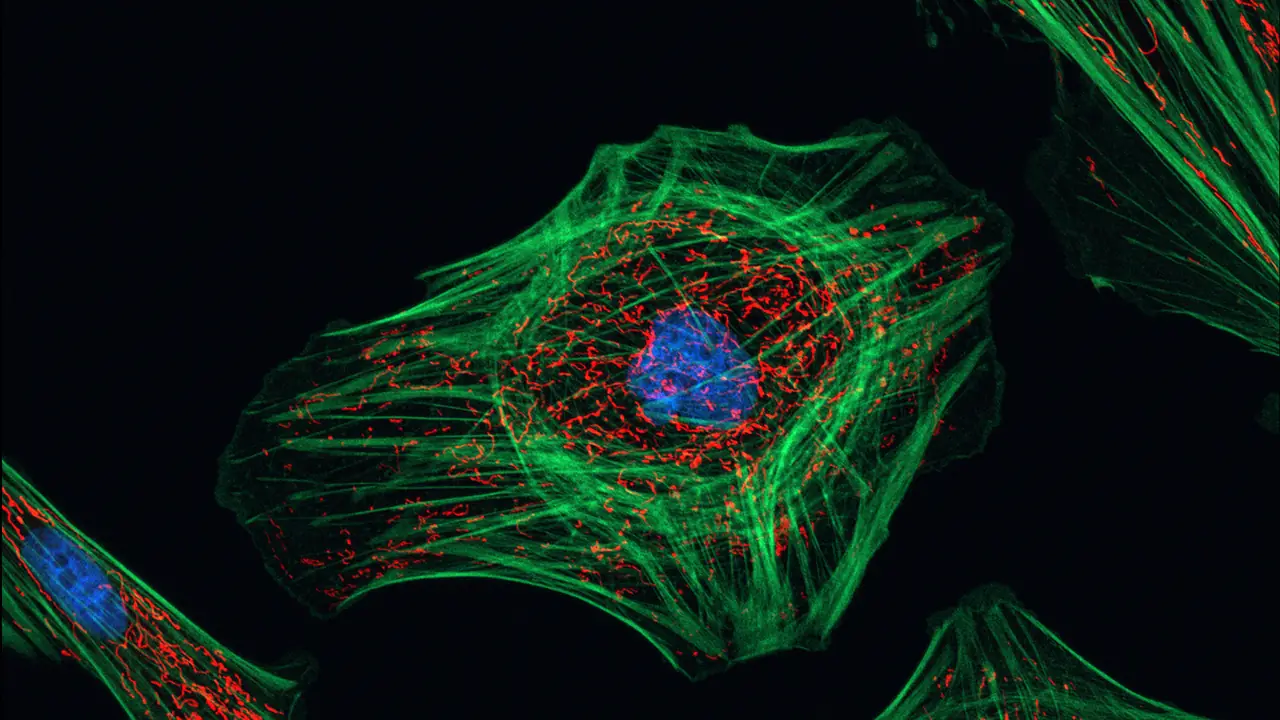
- Different stages of one process. In cell-migration models, one compound may affect actin dynamics while another affects growth-factor receptor expression (thymosin β4 and BPC-157).
- Controlling a cofactor. Supplying NAD⁺ alongside mitochondrial peptides makes cofactor availability an experimental variable rather than a hidden one (MOTS-c and SS-31).
- Screening breadth. A library of compounds from one supplier, with consistent documentation, simplifies plate-based screens.
The combinations Australian labs order most
Looking across Australian research suppliers, a handful of pairings recur:
| Combination | Research goal |
|---|---|
| BPC-157 + TB-500 | Tissue-repair and cell-migration models |
| GHK-Cu + BPC-157 + TB-500 (“GLOW”) | Copper-peptide and extracellular-matrix research |
| GLOW + KPV (“KLOW”) | Matrix plus inflammatory-signalling research |
| CJC-1295 + Ipamorelin | GH-axis secretagogue research |
| Tesamorelin + Ipamorelin | GHRH-receptor and ghrelin-receptor research |
| Retatrutide + amylin analogues | Incretin and metabolic receptor pharmacology |
| MOTS-c + SS-31 + NAD⁺ | Mitochondrial and cellular-energy research |
| Semax + Selank | Neuropeptide signalling |
Each of our research stacks is built around one of these goals, states it on the label, and is priced below the sum of its vials.
Why single-compound controls matter
A blend vial on its own cannot tell you which component caused an effect. That is why our stacks include single-compound vials alongside blends wherever it matters: the tissue-repair stack pairs single BPC-157 and TB-500 vials with a pre-blended vial, and the KLOW stack adds single KPV and GHK-Cu. A minimal design looks like:
- Vehicle
- Compound A alone
- Compound B alone
- A + B together
Comparing arm 4 with arms 2 and 3 is how you tell additive from synergistic from antagonistic. Designing multi-compound experiments goes further into factorial designs and the statistics of combination effects.
Practical advantages of buying as a stack
- Every vial comes with a lot code and a published certificate.
- One order, one delivery, one set of records.
- Stack prices already include a bundle saving, and quantity discounts apply on top when you order several.
For in-vitro laboratory research only. Not for human or veterinary use. This article summarises laboratory practice and published research. Nothing here is advice about use in people or animals.