Immunology Peptides: KPV, Thymosin Alpha-1 and ARA-290 in Cytokine Research
Three peptides used in immune-signalling research: the α-MSH tripeptide KPV, the thymic peptide thymosin α1 and the EPO-derived ARA-290, plus the controls immune assays need.
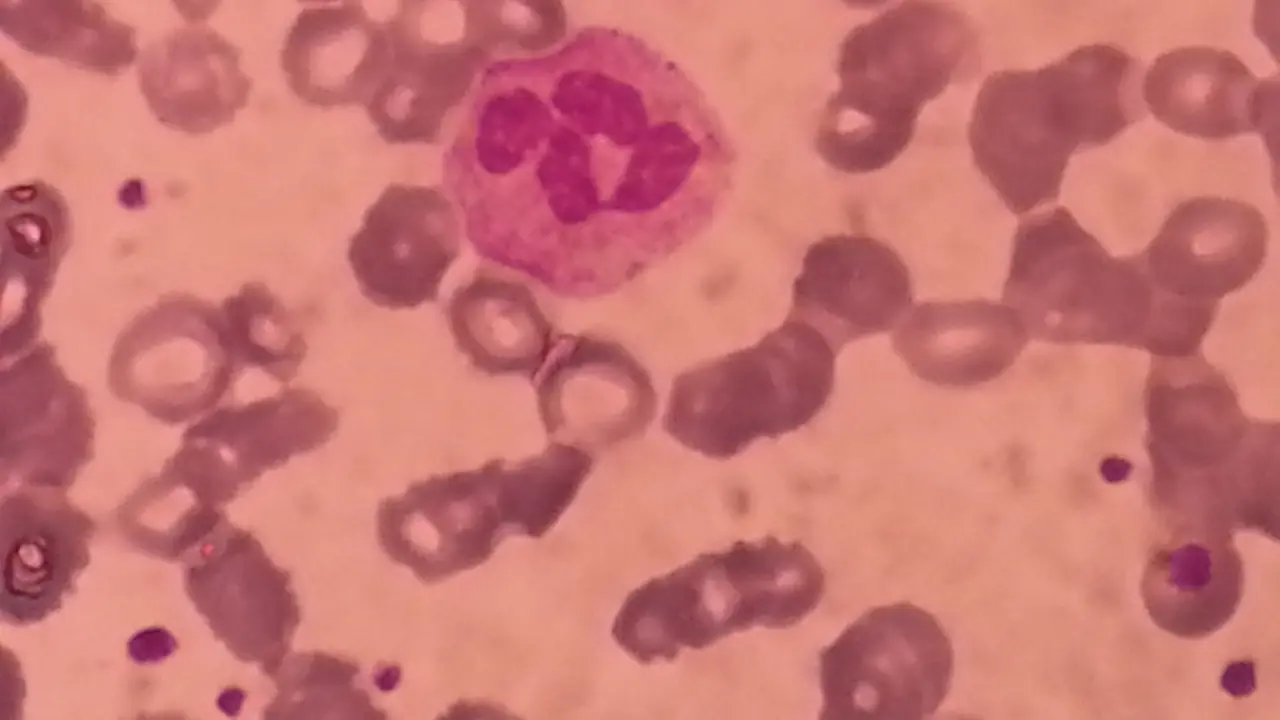
Immune cells respond to tiny signals, which makes them both rewarding and unforgiving to work with. Three research peptides are commonly used to probe different points of immune signalling, and all three demand careful controls.
KPV
KPV (Lys-Pro-Val) is the C-terminal tripeptide of α-melanocyte-stimulating hormone (α-MSH). It has been studied for anti-inflammatory signalling in epithelial and immune cells, particularly inhibition of NF-κB activation and reduced pro-inflammatory cytokine output. Interest has centred on intestinal epithelial models, where the peptide transporter PepT1 has been proposed as an uptake route.
Thymosin α1
Thymosin α1 is a 28-amino-acid, N-acetylated peptide originally isolated from thymus tissue and derived from the larger protein prothymosin α. In-vitro research has focused on:
- Toll-like receptor (TLR) signalling in dendritic cells
- T-cell maturation and differentiation markers
- Cytokine profiles (for example IL-2, IFN-γ)
ARA-290
ARA-290 is an 11-amino-acid peptide modelled on the helix B surface of erythropoietin (EPO). It was designed to engage the innate repair receptor, a complex of the EPO receptor with the β-common receptor (CD131), without activating the classical EPO-receptor homodimer that drives red-cell production. That separation makes it a selective tool for tissue-protective signalling research.
Controls immune assays need
| Control | Why |
|---|---|
| Endotoxin-tested reagents | LPS activates TLR4 at picogram levels and can mimic or mask peptide effects |
| LPS-only positive control | Shows the cells’ full inflammatory response |
| Vehicle control matched for solvent and counter-ion | Separates peptide from formulation effects |
| Scrambled-sequence peptide | Distinguishes sequence-specific effects from non-specific peptide effects |
| Viability readout | Rules out cytokine changes caused by cell death |
Endotoxin testing for cell culture explains how LAL and recombinant Factor C assays work and how to keep cultures clean.
Models
- PBMCs and isolated monocytes or T cells
- Macrophage lines (with LPS stimulation)
- Intestinal epithelial lines and co-culture barrier models
- Dendritic cell maturation assays (CD80, CD86, MHC-II)
Handling
KPV is small and very water-soluble. Thymosin α1 and ARA-290 dissolve in water or buffered saline. Prepare single-use aliquots and keep them frozen; immune readouts are sensitive enough that small degradation products can matter.
For in-vitro laboratory research only. Not for human or veterinary use. This article summarises laboratory practice and published research. Nothing here is advice about use in people or animals.