Third-Party Tested Peptides: Independent vs In-House COAs
Supplier lab reports and independent third-party reports answer different questions. How each works, what independence adds, and how Australian labs can tell them apart on a COA.
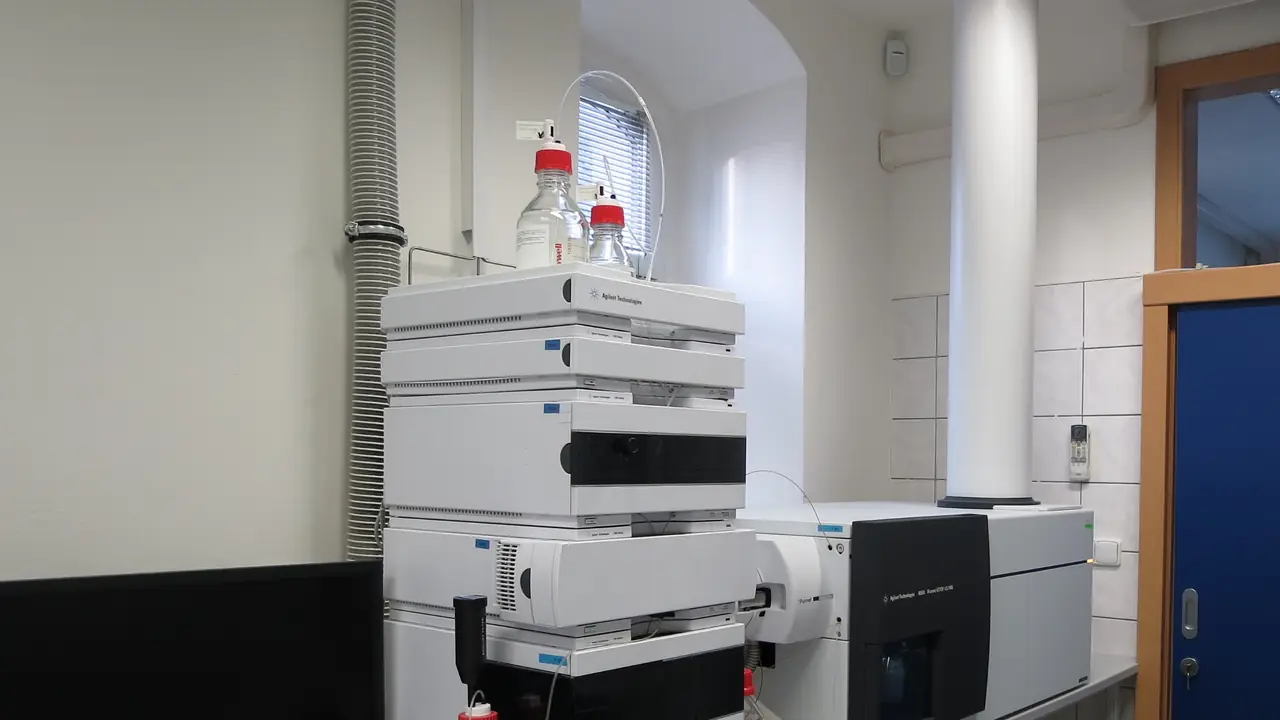
Most research peptide certificates come from one of two places: the supplier’s own laboratory (or its synthesis partner), or an independent laboratory paid to test a sample. Both are legitimate. They answer slightly different questions, and a careful buyer reads them differently.
In-house and batch certificates
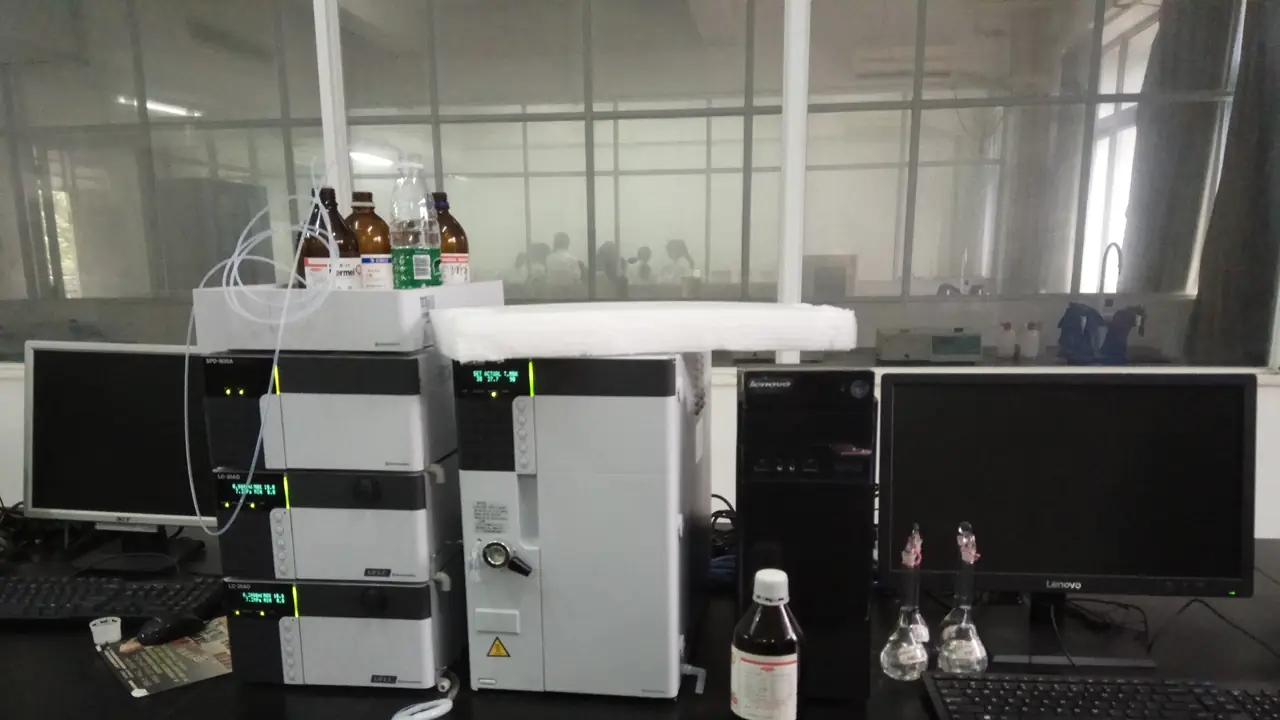
A synthesis facility routinely runs HPLC and MS on every batch before release. These batch COAs are valuable because they cover the whole production lot and are generated as part of normal quality control. Their weakness is obvious: the party selling the material also produced the report.
Independent reports
An independent laboratory receives a sample (often a sealed retail vial), runs its own analysis and issues its own report under its own name. That adds:
- Separation of interests. The lab is not the seller.
- A second method. Different columns and gradients can reveal impurities a single method merges into the main peak.
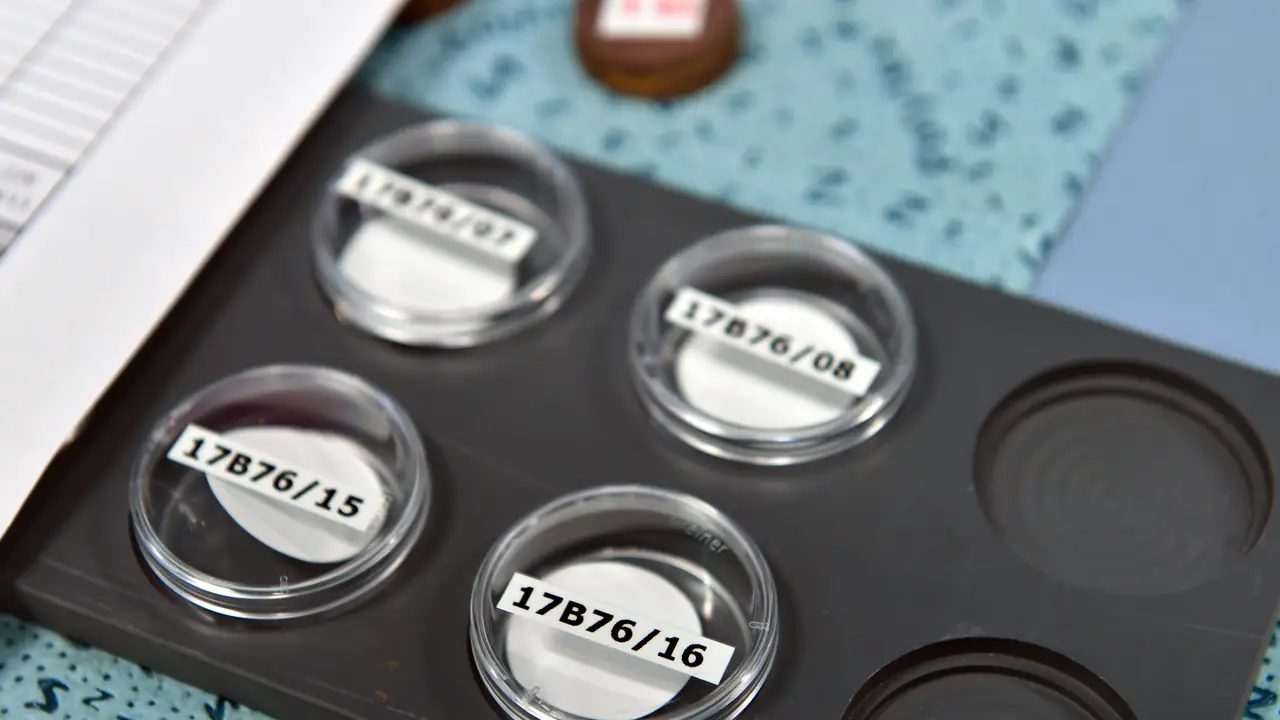
- Retail-vial testing. When the sample is a finished vial, the result reflects what customers actually receive, after filling and lyophilisation.
Many independent labs also offer a verification page or code so anyone can confirm the report is genuine.
How to tell them apart
| Question | Where to look |
|---|---|
| Who performed the analysis? | Laboratory name and address in the header |
| Was it a retail vial or a bulk sample? | Sample description |
| Can the report be verified? | Verification code, URL or contact |
| Does the lot match? | Lot field vs your vial label |
How we present it
In our certificate library, every report names the laboratory, and reports from independent laboratories are marked as such. A purity badge on a product page is shown only for a size whose own lot has a matching certificate from that supplier. If the current lot has not been reported yet, the page says “Batch COA pending” rather than borrowing an older result.
Good practice for your own lab
- Record the lot code of every vial against the experiment it was used in.
- File the matching COA with your lab records.
- For long studies, buy enough of one lot to finish the series, or plan a bridging comparison when you change lot. Our guide to lot numbers and batch traceability covers this in detail.
For the technical side of the reports themselves, see HPLC purity explained and mass spectrometry for peptide identity.
For in-vitro laboratory research only. Not for human or veterinary use. This article summarises laboratory practice and published research. Nothing here is advice about use in people or animals.